


Across markets in Port Harcourt and beyond, from kiosks to supermarkets, counterfeit food and drink products are finding their way into homes, school bags, and offices. Fake yogurt, adulterated milk there, diluted beverages sold as trusted brands, has now grown into a widespread concern that can no longer be ignored.
For many consumers, the difference between original and fake products is no longer obvious. Packaging has become more convincing, labels are cleanly replicated, and prices are often just low enough to tempt buyers without raising suspicion.
In a country where the cost of living continues to rise, affordability sometimes overshadows caution. Unfortunately, that choice can come at a serious cost.
There have been repeated reports over the years of groups of people, including schoolchildren, falling ill after consuming fake dairy products and beverages. These products are often produced in unhygienic environments, mixed with substandard or even harmful ingredients, and distributed without proper regulation. The danger is not just in the deception, but in the health risks, ranging from food poisoning to long-term complications caused by toxic substances.
What makes the situation more concerning is the role of some local producers and distributors who prioritize profit over safety. By cutting corners and bypassing quality standards, they flood the market with goods that look legitimate but fail every test of safety. The result is a marketplace where trust is eroding, and consumers are left to fend for themselves.
Identifying fake products is a necessary survival skill. There are clear signs that buyers can watch out for if they pay close attention.
One of the first indicators is packaging quality. Original products typically have clean, sharp printing, while counterfeit ones may show blurry text, uneven colors, or slight spelling errors. It may seem minor, but a misspelled brand name or poorly aligned label is often a red flag.
Another key detail is the expiration date and batch information. Genuine products carry clearly printed manufacturing and expiry dates, along with traceable batch numbers. Fake items may have these details smudged, missing, or easy to erase.
Also see: Finidi George Under Pressure as Rivers United’s Title Grip Slips
Seals and closures also matter. Many authentic food and drink products come with tamper-proof seals. If a bottle cap feels loose, a seal is broken, or the packaging looks previously opened, it is best to avoid it.
Price can also be a clue. While everyone appreciates a good deal, extremely cheap products, especially branded ones should raise questions. If the price is far below what is commonly known, there is a strong chance the product is not genuine.
The place of purchase is just as important. Buying from reputable stores or verified distributors reduces the risk significantly. Roadside vendors and unknown suppliers may offer convenience, but they also increase exposure to counterfeit goods. Beyond physical checks, awareness is critical.
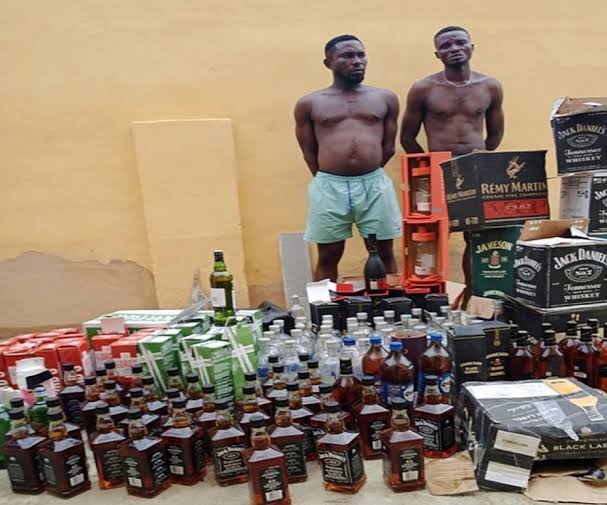
While the National Agency for Food and Drug Administration and Control (NAFDAC) is trying their best as a body to combat the fake production of most of these goods, as they have previously and recently published busted fake producers, consumers must stay informed, share information, and report suspicious products if encountered. This awareness can also be easily and quickly shared via social media platforms, to enlighten people.
This growing trend is about public health, and accountability. When people can no longer rely on what they consume, the consequences go beyond individual illness.
