


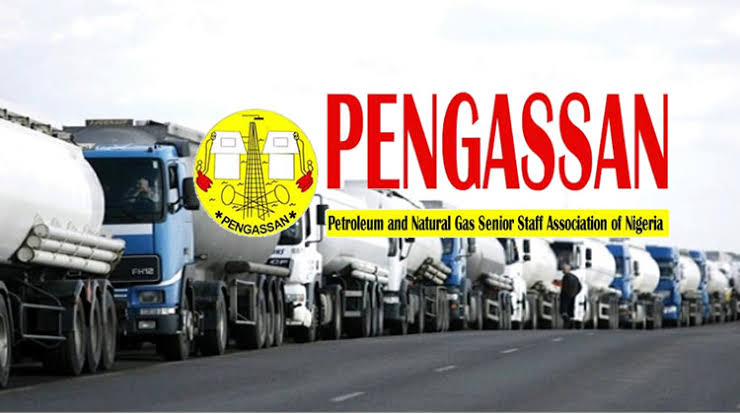
In a growing labor standoff, the Petroleum and Natural Gas Senior Staff Association of Nigeria (PENGASSAN) has thrown its full support behind the Nigeria Union of Petroleum and Natural Gas Workers (NUPENG) in their dispute with Dangote Refinery. The senior staff group warned on Monday, September 8, 2025, that it might have to step in and stop all refinery activities if the company does not allow workers to join unions freely. This comes amid claims that the refinery’s leaders have blocked employees from organizing since the plant began operations.
The conflict centers on the rights of tanker drivers and other staff at the massive refinery in Lagos. Dangote Refinery recently brought in thousands of trucks powered by compressed natural gas to handle the distribution of fuel products directly to customers. However, union leaders say the company has created its own separate group for drivers, which prevents them from affiliating with established unions like the Nigeria Union of Petroleum and Natural Gas Workers. This move, they argue, goes against basic worker protections outlined in Nigerian laws and standards from the International Labour Organization, which stress the importance of collective bargaining for fair pay, safety, and job security.
On September 5, 2025, the Nigeria Union of Petroleum and Natural Gas Workers issued a strong notice, saying its members would stop work and look for jobs elsewhere starting September 8, 2025. The union’s leaders pointed out that despite talks with refinery officials and transport owners, no progress had been made. They highlighted how drivers were being asked to promise not to join any oil industry unions as part of their hiring process, calling it an unfair tactic that undermines labor dignity.
Adding to the pressure, the Petroleum Products Retail Outlets Owners Association of Nigeria (PETROAN) declared on September 8, 2025, that it would pause the collection and sale of fuel for three days beginning September 9, 2025, to show backing for the tanker drivers’ cause. This group represents fuel station owners across the country, and their action could lead to short-term shortages at pumps, affecting drivers and businesses reliant on steady supplies.
Lumumba Okugbawa, who serves as the general secretary for the Petroleum and Natural Gas Senior Staff Association of Nigeria (PENGASSAN), released a detailed message on September 8, 2025, explaining the group’s position. He noted that peaceful attempts to convince the refinery’s management had failed over time. Okugbawa emphasized that denying union access harms not just the drivers but the entire workforce, potentially leading to broader issues in the oil sector.
Also Read: Nigeria Faces Fuel Crisis as NUPENG Prepares To Launch Strike
He called on everyone involved, including government officials, to start talks right away to fix the problems. Without quick action, he said, the senior staff association would join forces with the Nigeria Union of Petroleum and Natural Gas Workers (NUPENG) to protect employee interests, even if it means halting production at the refinery.
The Nigeria Labour Congress, the main umbrella body for workers nationwide, also voiced strong support for the unions on September 6, 2025. Its president, Joe Ajaero, criticized what he called harsh treatment of staff across various Dangote companies, including low wages, unsafe conditions, and limits on union activities. He warned that ignoring these rights could spark wider unrest, urging the refinery to respect workers as partners in Nigeria’s economic growth.
On the other side, some industry voices have pushed back against the strike plans. The Association of Distributors and Transporters of Petroleum Products stated on September 8, 2025, that it would not participate in any walkouts, praising Dangote’s distribution model for cutting costs and creating jobs. Meanwhile, a civic organization called Economic Rights Activists condemned the threats on September 7, 2025, saying a nationwide stoppage would hurt everyday people more than big businesses, raising prices for food and transport while slowing the economy.
To prevent a full crisis, Nigeria’s Minister of Labour and Employment, Muhammadu Dingyadi, called an urgent meeting in Abuja on September 8, 2025, bringing together refinery executives, union heads, and other key players. The government hopes this discussion will lead to a deal that lets operations continue while addressing the unions’ concerns. As Africa’s largest refinery, Dangote’s facility plays a key role in reducing Nigeria’s need for imported fuel, but ongoing labor tensions could delay those benefits and raise questions about balancing business goals with worker protections.
Union representatives remain firm, saying the fight is about upholding fundamental rights in a vital industry. They point out that allowing full union membership would improve conditions for all employees, from drivers handling the new trucks to senior staff overseeing daily operations. As talks unfold, Nigerians watch closely, hoping for a resolution that avoids disruptions to fuel supplies and keeps the economy moving forward.
