


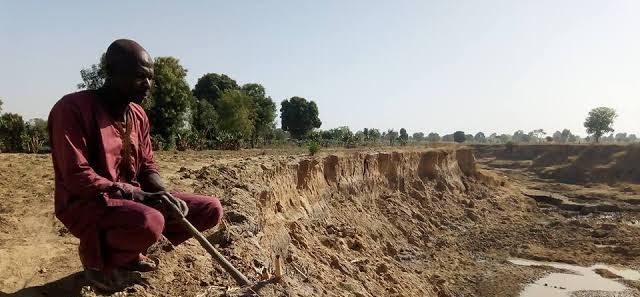
As the sun rises over Nigeria on this Monday morning, July 7, 2025, a shadow looms over the nation’s agricultural heartland. Recent revelations from Kaduna State, a cornerstone of Nigeria’s ginger production, paint a troubling picture of foreign intervention gone awry. Local farmers are sounding the alarm, pointing to USAID-supplied farm inputs such as pesticides like copper oxychloride and carbamates as the culprits behind black spots and declining crop quality. This once-prized ginger, a global market favorite known for its superior quality, now faces a biological attack that threatens its reputation and the livelihoods tied to it. The message from a Kaduna farmer, shared on social media, is stark: what was promised as aid has morphed into a travesty, with USAID and the Gates Foundation implicated in a coordinated assault on Nigeria’s food systems.
The narrative extends beyond ginger to other crops, with a Benue farmer recently showcasing GMO cassava stems distributed through a cooperative. These genetically modified varieties, touted for their massive yields, last just three months compared to the year-long durability of traditional stems. While the harvest is abundant, the trade-off is alarming: soil health deteriorates, and farmers become locked into a cycle of purchasing patented seeds annually due to Terminator Seed technology. This shift displaces indigenous varieties, eroding centuries of agricultural wisdom. The Gates Foundation’s role, particularly through programs like AGRA, has fueled criticism for pushing these GMOs, with environmental concerns mounting as soils become incompatible with local crops over time.
This is not an isolated incident but part of a broader pattern of Western influence. The FDA highlights benefits of GMOs, such as reduced pesticide use and no-till planting that preserves soil health. Yet, for Nigerian farmers, these advancements come at a steep cost: loss of food sovereignty. Reports from Daily Trust on April 11, 2025, reveal a rapid shift toward hybrid and GM seeds, with multinational corporations tightening their grip on seed markets. This mirrors a 500-year legacy of exploitation, where gifts from foreign entities such as colonial trinkets or modern agricultural inputs have masked ulterior motives, a sentiment echoed in recent online discussions.
Also Read: Rotary Club Donates Jackets to FRSC Rivers Command
The economic and social toll is palpable. Smallholder farmers, reliant on subsistence agriculture, struggle with costly inputs that push them into debt. Market impacts are evident, with ginger scarcity reported in local markets and changes in taste and effectiveness of traditional remedies such as ginger for colds, noted by residents. AgroNigeria’s March 4, 2025, report adds another layer, detailing how the abrupt cessation of USAID funding has left farmers vulnerable, exposing a dangerous dependence on external support that now harms rather than helps. Organic farming advocates are pushing back, urging a return to open-pollinated seeds and sustainable practices to restore soil health and reduce reliance on synthetic chemicals.
Regulatory bodies like NAFDAC and SON face scrutiny for failing to stem the tide of potentially harmful foreign inputs. Meanwhile, Nigeria’s leadership is accused of negligence, with some arguing their focus on the 2027 elections overshadows this agricultural crisis. African faith leaders, as noted by U.S. Right to Know on September 25, 2024, and a Forbes article from September 2, 2024, demand reparations from the Gates Foundation, accusing it of false promises on food security. The Mail & Guardian’s September 3, 2024, piece aligns with these frustrations, labeling Bill Gates’ agricultural strategies in Africa as misguided.
The use of pesticides to treat fungal infections, rather than targeted fungal treatments, has raised further alarms about misguided policies affecting crop health. Community resilience is tested as farmers report rapid perishability of fruits, vegetables, and grains, linking it to the adoption of these foreign inputs. Social media is ablaze with calls for action, with users volunteering to mobilize street and airwave campaigns to raise awareness. One proposal suggests forming a grassroots movement to resist what many describe as a neocolonial food colonization scheme, with demands for independent investigations into these biological attacks on crops.
As Nigeria stands at this crossroads, the stakes are high. The intertwining of USAID and Gates Foundation efforts suggests a deliberate push to undermine local agriculture, threatening the 70% of Nigerians who depend on this sector. The time for talk has passed: action is imperative to reclaim our agricultural heritage and ensure that our soil and sovereignty remain in our hands.

One Response
Wow!!! This is huge!!! Could we have this story further developed so we could all learn more???