


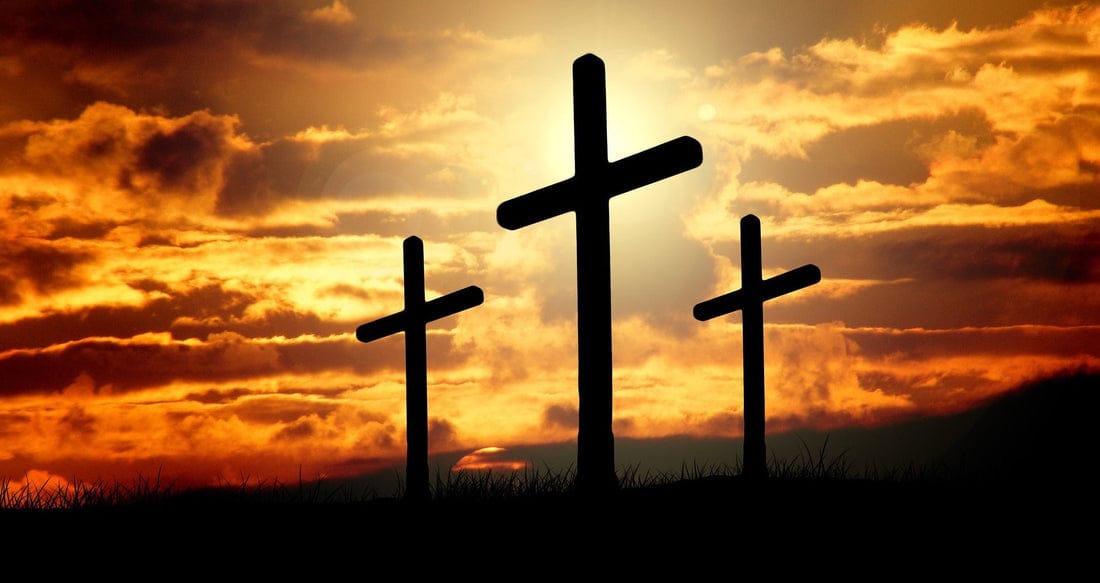
As Christians across the country prepare to celebrate Easter, the Federal Government has officially declared Friday, April 3, and Monday, April 6 as public holidays to mark the observance of Good Friday and Easter Monday.
The announcement by the Federal Government of Nigeria shows the value of Easter as one of the most important celebrations in the Christian calendar, commemorating the death and resurrection of Jesus Christ.
In churches, homes, and communities across the country, the Easter season traditionally brings an atmosphere of reflection, celebration, and spiritual renewal. From solemn Good Friday services to lively Easter Sunday gatherings, millions of Nigerian Christians will spend the long weekend remembering the sacrifice of Christ and celebrating the promise of resurrection.
Yet the 2026 Easter holiday arrives at a time when many Nigerians are grappling with economic pressure, insecurity, and uncertainty about the future. Rising food prices, transport costs, and general hardship have made festive celebrations more modest for many families this year.
What used to be a season filled with elaborate meals, travel, and large family gatherings is increasingly becoming a quieter, more reflective holiday.
Still, Easter carries a message that relates well strongly in times of struggle. The story of resurrection has always symbolized hope after hardship, victory after suffering, and faith in the possibility of renewal. For many Nigerians, that message feels more relevant than ever.
Across cities and rural communities alike, churches are expected to hold special services, night vigils, and charity outreaches.
Also see: ₦50,000 Internship Scam: NDDC Issues Urgent Warning
The holiday also provides a rare opportunity for workers to pause from the daily pressures of life. For traders, civil servants, students, and business owners, the Easter break offers a moment to reconnect with family, attend church activities, and step away briefly from the fast pace of everyday survival.
Beyond its religious meaning, Easter in Nigeria has gradually evolved into a broader social moment. Parks, beaches, cinemas, and recreational centers typically see increased activity during the long weekend as families look for ways to relax and celebrate.
However, beneath the celebrations lies a deeper national mood. Many Nigerians are entering the holiday season with mixed emotions: grateful for the spiritual significance of Easter but also conscious of the realities facing the country.
Perhaps that is why the message of Easter continues to endure, it is about resilience. It is a reminder that even in the darkest moments, renewal is possible.
