


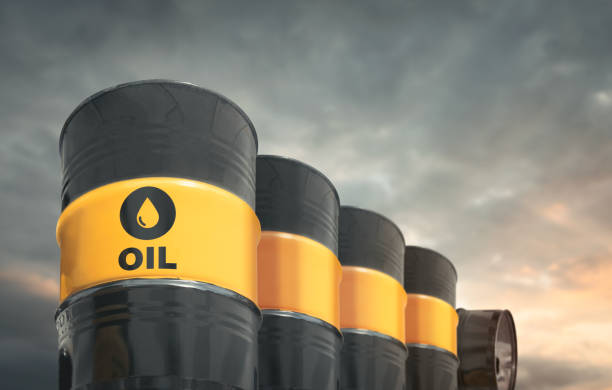
In recent months, Nigerians have once again been confronted with the harsh realities of a petrol crisis. Long queues at filling stations, rising pump prices, and increasing transportation costs have become familiar experiences for many citizens. While fuel scarcity and price volatility are not new to Nigeria, the current situation highlights deep structural problems in the country’s energy sector as well as the impact of global geopolitical tensions, particularly the ongoing conflict between the United States and Iran.
One of the primary causes of the petrol crisis in Nigeria is the country’s continued dependence on imported refined petroleum products. Despite being one of the largest crude oil producers in Africa, Nigeria has historically lacked sufficient domestic refining capacity. For decades, crude oil has been exported while refined petrol is imported back into the country at higher costs.
Although new developments such as the Dangote Petroleum Refinery have begun improving local supply, Nigeria still relies partly on imports and global pricing mechanisms. As a result, any disruption in the international oil market quickly affects domestic petrol prices. In January 2026, domestic refineries supplied a large share of the country’s petrol, yet imports still accounted for a significant portion of supply.
Another key factor is the removal of fuel subsidies and the shift toward market-based pricing. The Nigerian government has indicated that it will not reintroduce price controls despite rising global oil prices, meaning petrol prices are now largely determined by market forces. This policy has exposed Nigerians directly to fluctuations in global crude prices.
Logistics challenges also contribute to the crisis. Issues such as poor distribution networks, pipeline vandalism, and hoarding by some marketers can create artificial scarcity. These structural weaknesses mean that even when supply exists, petrol may not reach consumers efficiently.
The Link to the United States–Iran Crisis
The current petrol crisis cannot be separated from global geopolitical developments. The escalating tensions between the United States and Iran have significantly disrupted the global oil market.
Iran sits near the strategically vital Strait of Hormuz, a narrow waterway through which roughly 20 per cent of the world’s oil supply passes. Any conflict that threatens shipping through this corridor immediately sends shockwaves through global energy markets.
Recent hostilities involving the United States, Israel, and Iran have already caused major disruptions in oil supply and shipping routes. In fact, analysts warn that the conflict has produced one of the largest disruptions in the global oil market, pushing crude prices toward or above $100 per barrel.
News: NFF Mourns Former Super Eagles Midfielder Henry Nwosu
When global crude prices rise, petrol prices in Nigeria inevitably follow. Energy experts have warned that escalating tensions between the United States and Iran could push petrol prices in Nigeria significantly higher if the conflict continues.
Thus, while the petrol crisis in Nigeria may appear to be a domestic issue, it is deeply intertwined with global politics and international energy markets.
Economic and Social Impacts
The effects of the petrol crisis extend far beyond the fuel sector. Petrol is the backbone of transportation, electricity generation, and logistics in Nigeria. When fuel prices rise, transportation costs increase, which in turn drives up the prices of food and other essential goods.
Businesses also suffer as operating costs rise. Small enterprises that rely on generators to compensate for unreliable electricity supply face higher fuel expenses. The result is increased inflation and a decline in the purchasing power of ordinary Nigerians.
Addressing Nigeria’s petrol crisis requires both short-term and long-term strategies.
First, the country must continue investing in domestic refining capacity. Facilities such as the Dangote Petroleum Refinery and other modular refineries have the potential to reduce dependence on imported fuel and stabilise supply.
Second, Nigeria must strengthen its petroleum distribution infrastructure. Improving pipelines, storage facilities, and transportation networks will help ensure that available fuel reaches consumers more efficiently.
Third, diversification of energy sources is essential. Expanding alternatives such as compressed natural gas (CNG) and renewable energy can reduce pressure on petrol demand and provide cheaper options for transportation and power generation.
Finally, transparency and strong regulation in the petroleum sector are crucial to prevent hoarding, price manipulation, and corruption.
The current petrol crisis in Nigeria is the result of both domestic weaknesses and international geopolitical tensions. While structural challenges within Nigeria’s oil sector remain a major contributor, global conflicts such as the ongoing confrontation between the United States and Iran have intensified price volatility and supply uncertainty.
For Nigeria to escape the cycle of recurring fuel crises, it must invest in domestic refining, strengthen infrastructure, diversify energy sources, and implement transparent energy policies. Only then can the country shield its citizens from the constant shocks of global oil politics and build a more stable and resilient energy future.
