


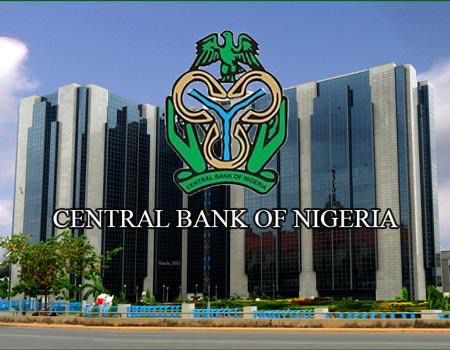
The House of Representatives on Thursday advanced efforts to overhaul the Central Bank of Nigeria’s governing framework, as lawmakers approved the second reading of a bill proposing major amendments to the Central Bank of Nigeria Act, 1991.
The amendment bill, jointly sponsored by House Leader Prof. Julius Ihonvbere and Lagos representative Jesse Onakalausi, sailed through plenary with unanimous backing.
Officially titled “A Bill for an Act to Amend the Central Bank of Nigeria Act, 1991, to Allow for Proper Day-to-Day Operations, Professional Oversight, and Enhance Checks and Balances, and for Related Matters, 2025,” the legislation seeks to address long-standing concerns over weak oversight and governance gaps at the apex bank.
These concerns intensified after recent controversies involving monetary policy decisions, foreign exchange management, and the chaotic 2022 currency redesign.
For years, critics have argued that the CBN’s corporate governance structure places excessive authority in the hands of the Governor, who currently holds both executive and board leadership roles. Analysts say this concentration of power contributed to opacity in policy decisions, inconsistencies in FX management, and unchecked lending to the Federal Government through Ways and Means advances.
Explaining the motivation behind the bill, Onakalausi said the proposed amendments are aimed at strengthening transparency, accountability, and institutional autonomy at the apex bank, especially in light of recent domestic and global economic challenges.
Also Read: http://The End of the Nigerian Football Federation
He told lawmakers that the central bank’s ability to maintain monetary stability and inspire confidence in the financial system depends on sound governance. However, he noted that “governance concerns, FX distortions, inconsistent monetary direction, weak oversight, and the missteps seen with the currency redesign” exposed significant weaknesses in the existing law.
One of the core reforms proposed is the separation of the roles of CBN Governor and Board Chairman. Onakalausi argued that in most advanced financial systems, the Governor manages daily operations while the Board provides independent oversight, a structure that prevents conflicts of interest.
“The current Act merges both positions, concentrating power unnecessarily. This bill clearly separates these functions to ensure professional supervision without interfering with routine operations,” he said.
The bill also seeks to strengthen the independence and expertise of the Monetary Policy Committee, aligning its structure with global best practices observed in jurisdictions such as the UK, South Africa, the EU, and Brazil.
Onakalausi further highlighted the persistent misuse of Ways and Means financing, describing it as one of the most abused sections of the current Act. The amendment proposes capping government borrowing from the CBN at 10 per cent of the previous year’s actual revenue to curb inflationary deficit financing and improve fiscal discipline.
Other provisions focus on foreign exchange transparency, safeguarding the naira, and preventing abrupt policy changes. The bill introduces requirements for a 90-day notice period, impact assessments, and mandatory briefings to the National Assembly ahead of major actions such as currency redesign or demonetisation, measures intended to prevent sudden policy shocks. The bill will now proceed to the committee stage for further legislative scrutiny.
