


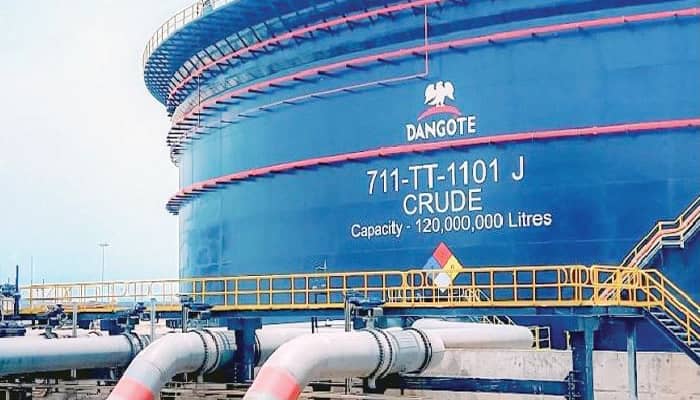
In a surprising turnaround, Dangote Petroleum Refinery has decided to collaborate with existing fuel marketers instead of launching a direct-to-consumer distribution plan, easing tensions that had gripped Nigeria’s petroleum sector.
The refinery, Africa’s largest, had announced plans to roll out fuel deliveries using 4,000 eco-friendly compressed natural gas-powered trucks starting this Friday. The move aimed to cut logistics costs and make petrol more affordable for everyday Nigerians. However, it sparked immediate outcry from marketers and truck owners, who feared it would sideline their businesses, lead to widespread job losses, and disrupt the established supply chain.
Industry groups, including the Natural Oil and Gas Suppliers Association of Nigeria, urged government intervention, warning that the direct sales could cause fuel shortages and undermine investments built over years. “No single entity can handle nationwide distribution alone,” said one association leader during a recent meeting in Abuja.
Also see: Foreign Brands Leverage .NG Domain to Boost Presence in Nigeria’s Digital Economy
Following intense discussions, Dangote officials agreed to sell products in bulk to registered marketers, who would then handle retail distribution. This keeps the current network intact while leveraging the new trucks for efficient, lower-cost transport. Marketers have already begun signing up on the refinery’s online platform to purchase and distribute the fuel.
The resolution has brought relief to stakeholders, including tanker drivers worried about their livelihoods. By reducing transportation expenses through cleaner CNG technology, the plan could lower pump prices and benefit consumers across the country, including in Rivers State, where erratic fuel supplies have long frustrated residents and businesses.
Experts say this compromise highlights the need for balanced growth in Nigeria’s energy sector, ensuring innovation doesn’t come at the expense of jobs. As the refinery ramps up operations, all eyes are on whether this partnership will stabilize fuel availability and prices nationwide.
