


As businesses navigate rising operational costs and increasingly complex supply chains, many Nigerian companies are embracing digital procurement platforms to improve efficiency, enhance transparency, and gain deeper insights into supplier-related risks.
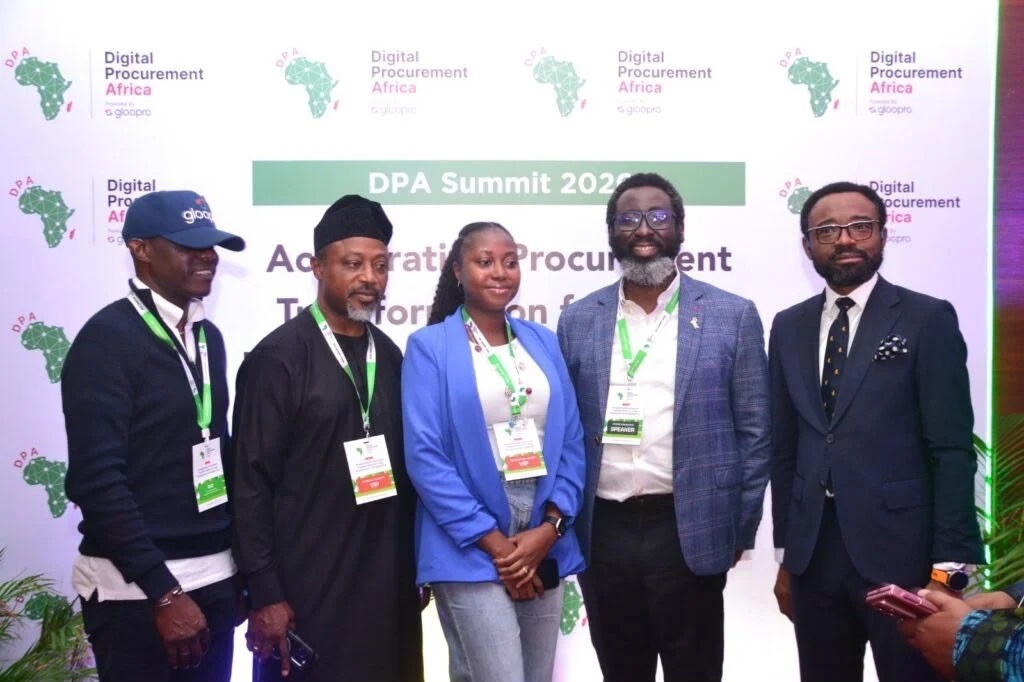
The growing shift toward technology-driven procurement was a major talking point at the inaugural Digital Procurement Africa Summit held recently in Lagos.
The event brought together procurement leaders, supply chain professionals, and technology experts to examine how digital tools and artificial intelligence are transforming purchasing decisions across African businesses.
The summit, attended by procurement executives from some of the region’s largest enterprises, reflected a growing recognition that traditional procurement methods are no longer sufficient in today’s fast-paced business environment.
Many organisations are now looking to replace fragmented manual processes with automated systems that offer better control, visibility, and accountability.
With the theme, “Accelerating Digital Procurement in Large Enterprises in the Digital Era,” discussions centred on how procurement is increasingly becoming a strategic business function rather than a routine administrative task.
Industry leaders noted that modern procurement systems can help organisations streamline operations, manage suppliers more effectively, and achieve significant cost savings.
Speaking at the event, Chief Executive Officer of Gloopro, Olumide Olusanya, highlighted one of the biggest challenges facing many organisations managing what procurement professionals refer to as “tail spend.”
According to him, tail spend consists of numerous low-value purchases that often occur outside established procurement controls. While individual transactions may seem insignificant, they collectively account for a substantial portion of organisational spending and frequently escape proper oversight.
Olusanya explained that digital procurement platforms help businesses centralise purchasing activities, improve supplier management, and eliminate inefficiencies associated with manual procurement processes.
He added that procurement-as-a-service models are becoming increasingly attractive, allowing organisations to access professional procurement capabilities through specialised digital platforms instead of maintaining large in-house procurement teams.
The approach, he said, not only reduces operational costs but also shortens procurement timelines, strengthens compliance, and improves visibility into spending patterns.
Artificial intelligence also featured prominently during discussions, although experts cautioned against rushing into AI adoption without first addressing fundamental data challenges.
Olusanya stressed that successful AI implementation depends on the availability of reliable and well-structured procurement data. He noted that many African organisations are still in the early stages of digital transformation and must first digitise procurement records before advanced technologies can deliver their full value.
“AI is based on data,” he said, emphasising that transparency and accurate digital records are essential for organisations seeking to benefit from automation, predictive analytics, and intelligent decision-making tools.
Another key issue raised during the summit was supplier risk management, particularly the difficulty companies face in monitoring smaller suppliers operating deeper within supply chains.
A panel session moderated by Stephen Adeloro brought together senior procurement executives from leading Nigerian organisations to discuss practical experiences with digital procurement adoption.
Participants included Kayode Momoh, Modupe Oyeneyin, and Cephas Afebuameh.
Also contributing to the discussion, Raphael Ikonagbon observed that many businesses have strong oversight of their direct suppliers but possess limited knowledge of second- and third-tier vendors. He warned that these information gaps can expose organisations to operational, financial, and regulatory risks.
Ikonagbon noted that combining procurement data with payment records, transaction histories, and credit intelligence is becoming increasingly important for businesses looking to build resilient supply chains.
He further argued that procurement data remains one of the most overlooked sources of business intelligence despite its ability to reveal supplier performance trends, financial dependencies, and potential vulnerabilities before they become critical issues.
Throughout the summit, speakers emphasised the role of technology in improving procurement governance, strengthening supplier relationships, and supporting long-term business growth.
The strong turnout from procurement and supply chain executives across major Nigerian companies underscored a growing awareness that efficient procurement practices can directly influence profitability, competitiveness, and organisational resilience.
Organisers said interest in the event surpassed expectations, reflecting the increasing urgency among African businesses to modernise procurement operations and leverage digital solutions to stay competitive in an evolving marketplace.
