


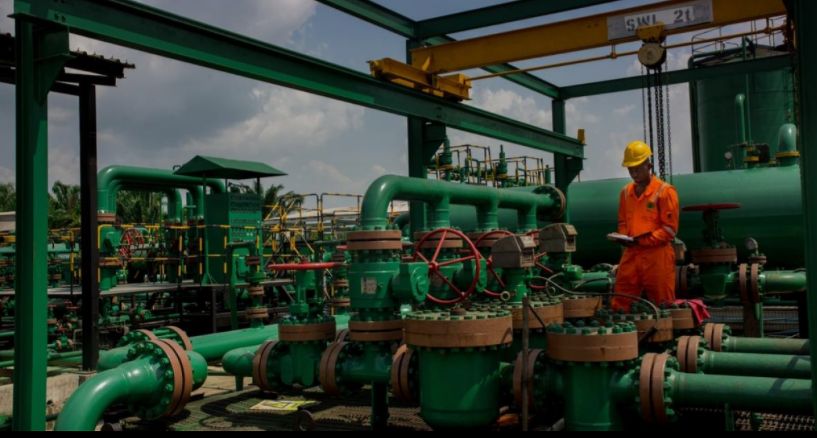
Nigeria has failed to convert its massive oil wealth into economic progress and improved livelihoods for its citizens, according to a new report.
The study by Oil Change International and Power Shift Africa looked at 13 African oil and gas producers, including Nigeria, Angola, Equatorial Guinea and Libya.
Titled “Pipe Dreams,” the report concludes that decades of oil production brought little development to these countries.
Wealth from oil flowed mostly to a small elite and multinational companies. In Nigeria, nearly 40 percent of the population still lives in extreme poverty on less than three dollars a day. The country exports crude oil but imports refined products such as petrol and diesel at higher costs. Millions of Nigerians continue to lack access to electricity and clean cooking fuel.
The oil sector creates very few jobs. It employs just 0.01 percent of Nigeria’s workforce. Most services, equipment and profits leave the country, leaving little benefit for the local economy.
Oil activities also caused serious harm. Spills in the Niger Delta destroyed farmland and fish stocks, while gas flaring damaged soil and cut agricultural output.
This situation triggered the “resource curse” and Dutch disease, which weakened other sectors like manufacturing and farming.
The report highlights corruption scandals, price volatility, heavy debt, and the risk of stranded assets as the world moves to cleaner energy.
Experts argue that a shift to renewable energy offers better hope for job creation and economic growth.
