


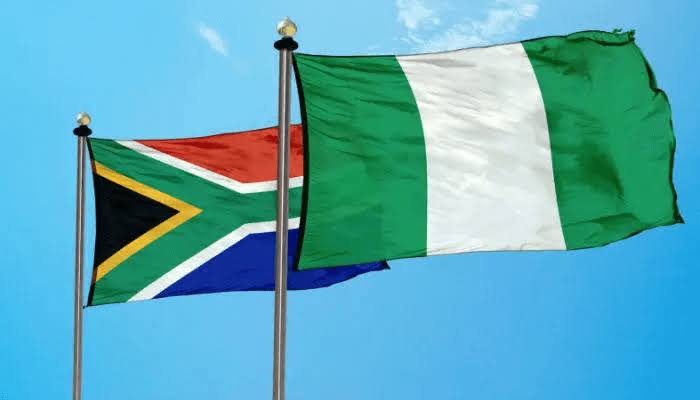
A cultural ceremony within the Nigerian diaspora in South Africa has unexpectedly ignited a heated conversation about identity, authority and the delicate balance between preserving heritage abroad and respecting the traditions of a host nation.
The controversy erupted after reports emerged that a Nigerian traditional leader had been crowned as a “king” within a Nigerian community in South Africa. What appeared to be a cultural event organised by members of the diaspora quickly escalated into a wider public debate after some South Africans questioned the legitimacy and implications of such a title being used on their soil.
The development sparked protests from certain community groups who argued that the recognition of a foreign monarch within South Africa could undermine the country’s own traditional leadership system. In South Africa, traditional authority is formally recognised and closely linked to indigenous heritage and local governance.
Images and videos circulating on social media showed demonstrators expressing dissatisfaction over the coronation, with some calling on authorities to intervene and prevent what they described as a cultural overreach. The issue quickly moved beyond a local community dispute and became part of a broader national conversation about immigration, cultural identity and the growing presence of foreign communities in South Africa.
The Nigerian government soon responded through its diplomatic mission in Pretoria, urging Nigerians living in South Africa to remain calm and avoid any actions that could worsen the situation. Officials emphasised the importance of respecting local laws and cultural sensitivities while encouraging citizens to continue living peacefully within their host communities.
Also see: Millions Benefit as FG Disburses ₦688bn in Cash Support
The incident comes against the backdrop of a long and sometimes complicated relationship between Nigerians and South Africans. Despite strong economic and diplomatic ties between the two countries, tensions have occasionally surfaced over the years, particularly during periods of xenophobic violence targeting foreign nationals.
South Africa remains home to one of the largest Nigerian diaspora populations on the continent. Across cities like Johannesburg, Pretoria and Durban, Nigerian communities have established vibrant networks built around business, education, religion and cultural associations. Within these communities, traditional structures often mirror those back home, with leaders appointed to coordinate activities, resolve disputes and represent community interests.
However, it is argued that such cultural expressions must be carefully managed within the context of the host country’s traditions. In South Africa, traditional leadership is not merely ceremonial but carries historical and constitutional significance, making the introduction of foreign royal titles particularly sensitive.
The situation serves as a reminder of the importance of cultural diplomacy at the community level. While traditions remain a powerful link to home, navigating them within foreign societies often requires sensitivity, dialogue and mutual understanding.
