


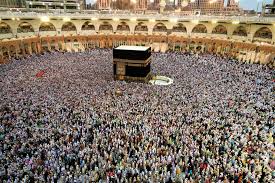
For Muslims across Nigeria, Eid al-Fitr is not just a public holiday or a festive break from fasting, but a powerful affirmation of identity, belief, and obedience to God. No matter the region, Port Harcourt inclusive, the meaning remains the same as it is the reward for a month of restraint, sacrifice, and devotion.
At its core, Eid al-Fitr represents submission. After 29 or 30 days of fasting from dawn to sunset, Muslims are reminded that their actions are not driven by convenience or comfort, but by faith. It reflects a lifestyle that prioritizes spiritual accountability over personal indulgence.
In a country like Nigeria, where daily life can be unpredictable and demanding, this kind of discipline becomes even more significant.
The celebration also stands as a reminder of equality. During Ramadan, and especially on Eid, social and economic differences are meant to fade. The rich and the poor stand side by side during prayers, dressed in similar attire, united in worship.
The obligation of Zakat al-Fitr reinforces this principle, ensuring that everyone, regardless of status, can partake in the joy of the celebration. For many Muslims in Nigeria, it is a moral duty that shows a sense of shared humanity.
Also see: PWDs Push for Equal Access in Nigeria’s Elections
There is also a deeper spiritual meaning attached to Eid. It serves as a checkpoint, a moment of reflection on one’s conduct throughout Ramadan. For many, it’s a time to know whether they have grown spiritually, become more patient, more generous, and more mindful of their actions.
So it’s fair to say Eid, is both a celebration and a quiet accountability moment, where individuals assess how well they have upheld the values of Islam.
In Nigeria, where economic hardship and social challenges are part of everyday reality, Eid carries an additional weight. It becomes a form of hope. Despite the difficulties, Muslims are reminded that endurance has purpose and that patience is rewarded.
The act of celebration itself, including wearing new clothes, preparing meals, giving to others, becomes an expression of resilience and faith in better days.
