


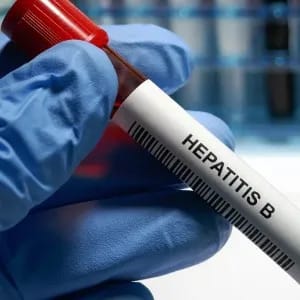
Medical experts are raising urgent alarms over Nigeria’s worsening hepatitis epidemic, with recent data revealing that over 20 million Nigerians live with hepatitis B or C infections, while the disease claims nearly 52,000 lives annually.
The startling figures emerged during a high-level health summit in Abuja, where specialists warned the nation risks missing global elimination targets without immediate intervention.
Dr. Allan Pamba, Executive Vice President of Diagnostics Africa at Roche Diagnostics, delivered a sobering assessment during his keynote address: “Africa stands at a critical juncture in its hepatitis response.
In Nigeria, our greatest challenge remains that eight out of ten infected persons don’t know their status, allowing silent liver damage to progress unchecked.” His remarks referenced the World Health Organization’s 2023 Global Hepatitis Report, which ranks Nigeria among the world’s highest hepatitis burdens.
While acknowledging Nigeria’s progress in implementing hepatitis B birth-dose vaccination since 2004 and recent moves to integrate services with existing HIV programs, experts highlighted persistent systemic gaps.
Nasarawa State’s success in reducing infections through community screening and subsidized treatment offers a potential blueprint, yet nationwide implementation faces hurdles, including limited testing capacity, treatment costs, and rural healthcare access.
The Federal Ministry of Health has pledged to intensify elimination efforts, citing Egypt’s model, where mass screening of 60 million citizens achieved hepatitis C elimination.
Related News: http://NHIA Hosts Stakeholders Forum to Boost Access to Quality Healthcare
“We must normalize testing by embedding it in routine care from antenatal clinics to community health centers,” Dr. Pamba urged summit attendees. “This demands unprecedented collaboration between government, private sector, and communities.”
With the 2030 global elimination deadline approaching, stakeholders emphasize that Nigeria’s response requires immediate scale-up of testing, treatment affordability measures, and public awareness.
The Ministry is finalizing plans for a national testing week this October, though experts stress sustained funding and political commitment remain crucial to curb the epidemic’s devastating toll.
