


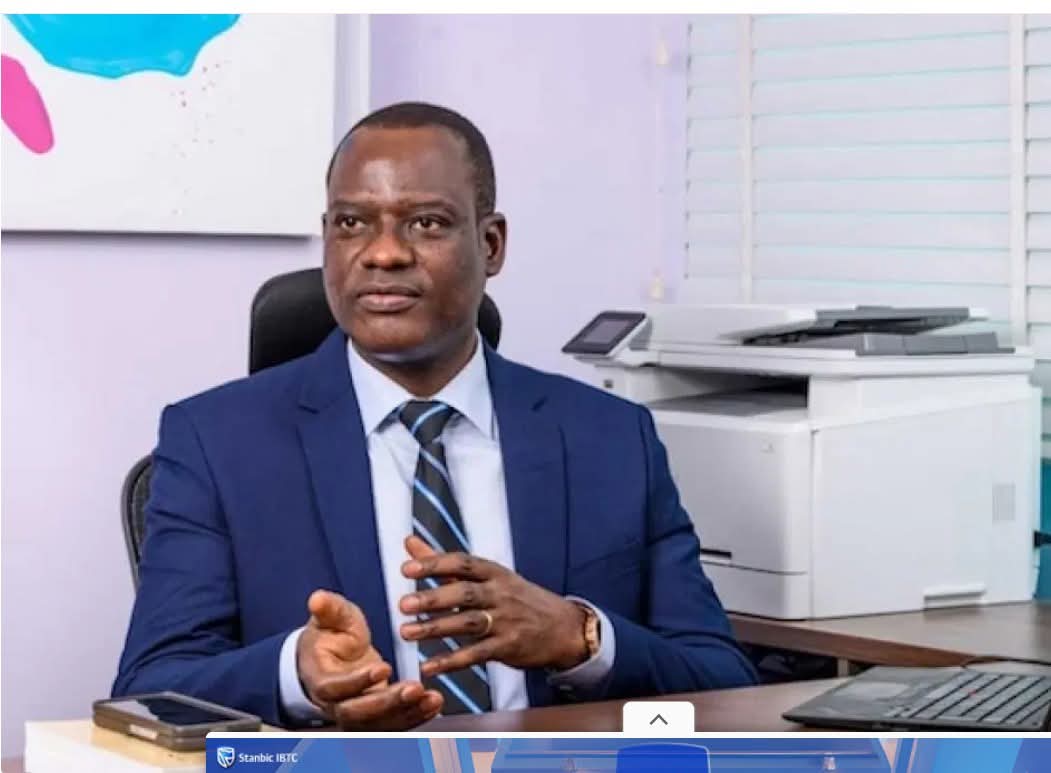
Taiwo Oyedele, Chairman of the Presidential Fiscal Policy and Tax Reforms Committee, has publicly stated that more than 90% of Nigeria’s informal sector operators lack the financial capacity to pay taxes.
Speaking at a recent interactive session with journalists, influencers, and public analysts on the new tax laws, the fiscal policy chief directly challenged the prevailing notion that the informal sector holds a vast, untapped reserve of government revenue.
Oyedele argued that attempting to continually tax this large segment has led to the introduction of multiple taxes.
He stressed that the majority of operators are engaged in survival activities, citing examples such as roadside corn sellers, vulcanisers, and wheelbarrow pushers, who remain poor despite a steady stream of customers.
“They have no capacity to pay taxes and should not be taxed,” Oyedele asserted, aligning the committee’s stance with President Bola Tinubu’s principle that poverty and capital should not be taxed.
He used the metaphor, “We should not tax seeds but wait for the fruits,” to illustrate the need to allow small businesses to grow before imposing taxes.
Oyedele also highlighted that the new tax laws are designed to make tax evasion expensive for all parties—individuals, professionals, and tax officers.
He noted that while the Federal Inland Revenue Service (FIRS) collected over ₦20 trillion last year and is on track to surpass that figure this year, the reforms introduce tighter structures and stronger accountability.
Also see: ARMY RECRUITMENT:: Rivers Youths Urged to Consider a Career in the Army
The Chairman pointed out that the new legislation includes provisions that impose personal liabilities for an officer not doing what they are supposed to do, thereby strengthening the governance and diligence within the FIRS.
Furthermore, the new reforms tackle corruption and leakages by directing all collected taxes directly into the federation account, rather than FIRS-controlled accounts.
Oyedele noted that the new laws address malpractice contributed by taxpayers, tax officers, and consultants.
He stated, “As a taxpayer, trying to evade your taxes now is more expensive under the new tax law.”
