


The Nigerian government reports that state revenues have more than doubled since the removal of the petrol subsidy in May 2023.
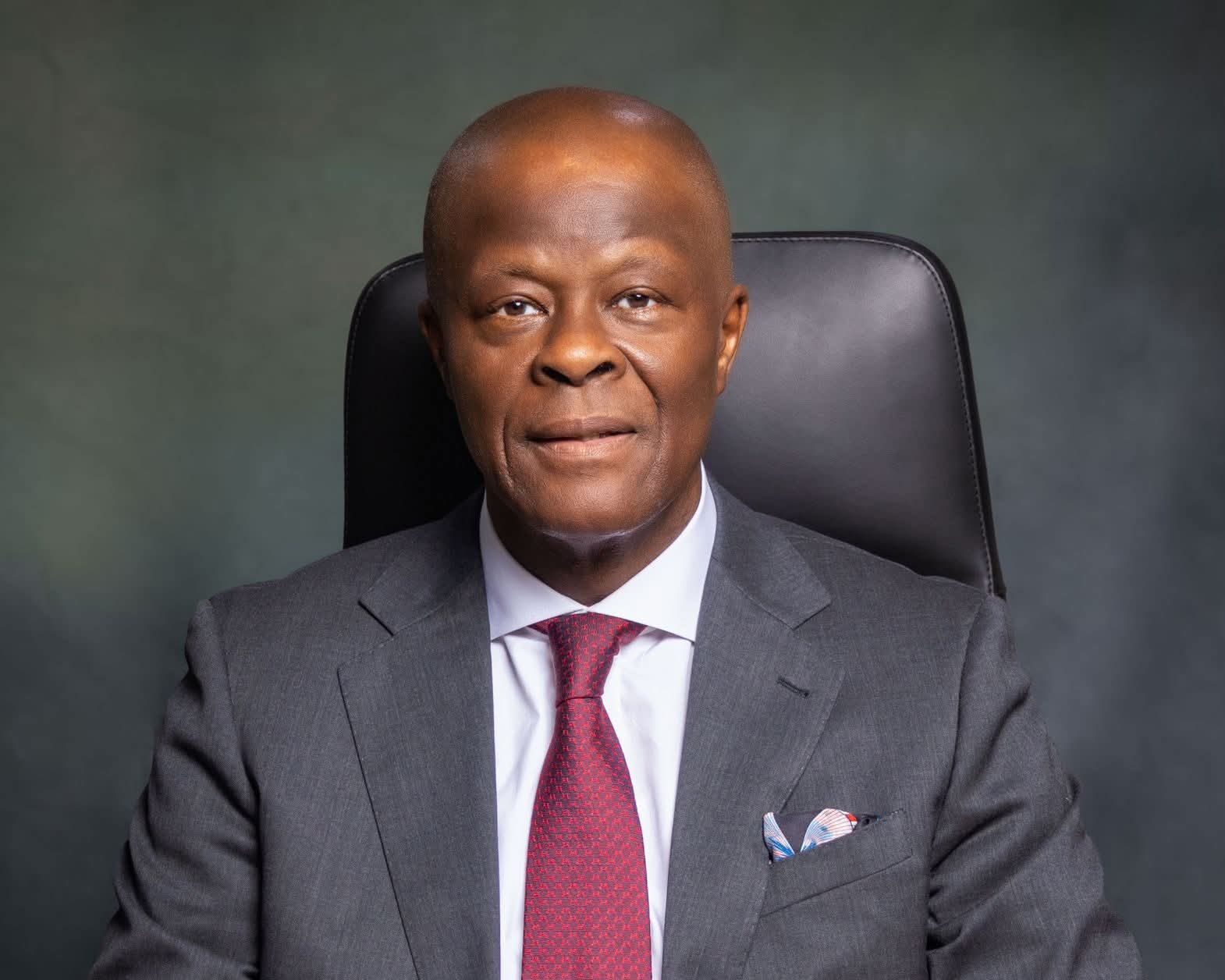
This announcement was made by the Coordinating Minister of Finance, Wale Edun, during a health financing conference in Abuja on Thursday.
According to Edun, while President Bola Tinubu’s decision to end the subsidy was difficult, it has proved beneficial.
The move, which led to an initial surge in fuel prices to over ₦1,000 per litre before a recent drop, has freed up substantial funds for the states.
Edun noted that the subsidy was primarily benefiting a small number of people, including foreign entities, and was consuming about 2.5% of Nigeria’s GDP—money that could have been used for critical sectors like health and education.
The financial impact of this reform is already evident. In June, the Federation Account Allocation Committee (FAAC) distributed ₦1.818 trillion, followed by an even larger sum of ₦2.001 trillion in July.
This significant increase in shared revenue means states now have more resources to contribute to essential services and development projects.
Despite the economic challenges, Edun stated that these reforms are crucial for building a competitive economy that attracts investors.
He highlighted that while inflation had reached a peak of around 27% a year ago, it has since shown signs of easing, with the overall rate dropping to 21.88% in July from 22.22% in June. Food inflation also saw a notable decrease.
Also see: EFCC Chair Urges Nigerians to Embrace Transparency to Defeat Corruption
The minister stressed that the government’s current economic reforms are designed to restore stability and ensure that the benefits are felt at the community and household level.
He emphasised that a healthy population is a wealthy one, aligning the health financing dialogue with the President’s vision for inclusive growth.
The goal is to create a coordinated system that can effectively mobilise and allocate financial resources to provide equitable healthcare access for all Nigerians.
The government is also training more health practitioners and improving healthcare management, particularly at the primary level.
Edun added that a strong public sector, with increased savings, will act as a catalyst for the private sector, which is essential for sustainable health financing.
