


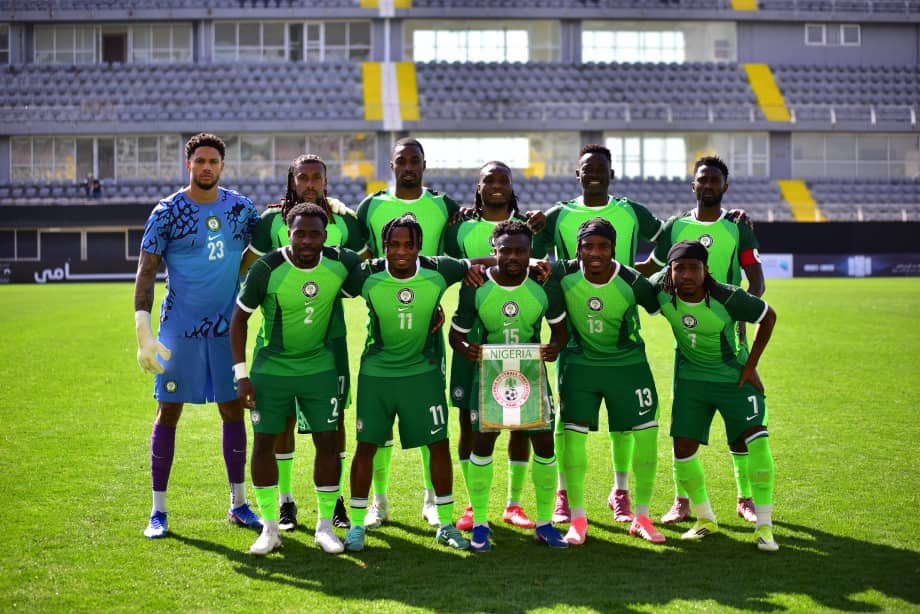
The dream is over for the Nigeria national football team. What could have been a decisive clash against Jamaica in the intercontinental play-off has instead turned into a period of reflection, following their absence from the 2026 FIFA World Cup.
Rather than competing for a place on football’s biggest stage, Nigeria were in Turkey, settling for a 2-2 draw with Jordan national football team in a friendly — a stark contrast to what was at stake just days earlier.
Their fate was sealed after losing to DR Congo national football team both on the pitch and off it, with FIFA dismissing their appeal. DR Congo went on to secure qualification, becoming Africa’s 10th representative with a narrow win over Jamaica.
For many, it marked a painful but necessary wake-up call.
Sports analyst Ope Adebari described the moment as one of “sober reflection” for Nigerian football, pointing out that the Super Eagles had opportunities to qualify both through the regular route and the play-offs — and failed in both.
He also stressed the need for deep structural changes within the Nigeria Football Federation, suggesting that fresh leadership and new ideas are required to revive the country’s football fortunes.
The consequences of missing out are significant. Beyond the disappointment on the pitch, Nigeria stands to lose financially and commercially, with reduced visibility for sponsors, brands, and stakeholders connected to the national team.
Hopes of a turnaround through an appeal to the Court of Arbitration for Sport remain slim, with many experts dismissing any chance of reversal.
While other nations prepare for the World Cup, Nigeria’s focus will shift to rebuilding. Upcoming friendlies against Portugal national football team and Poland national football team will now serve as opportunities to test new players and reshape the squad under Eric Chelle.
It’s a difficult moment, but also a defining one. For the Super Eagles, the road back begins now.
