


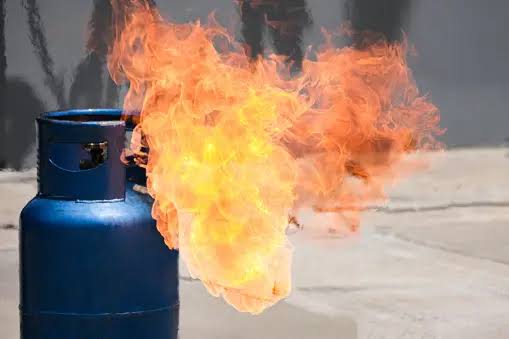
The growing reliance on cooking gas in Port Harcourt has transformed daily life. It offers speed, convenience, and a cleaner alternative to traditional kerosine stoves and fireflwood. However, alongside these benefits comes a rising concern which is the increase in gas-related accidents within residential spaces.
What many households overlook is that gas cylinders, while efficient, require strict handling and routine safety awareness. When neglected, they can quickly become sources of severe domestic incidents, including fires and explosions that often occur without much warning.
A major factor contributing to these incidents is poor kitchen ventilation. In many homes, gas cylinders are used in enclosed spaces with limited airflow. In the event of a leak, gas accumulates rapidly, creating a highly flammable environment. A simple spark from a light switch, a match, or an electrical appliance, can trigger an explosion. Proper ventilation is therefore essential. Kitchens should allow for free air circulation, reducing the risk of gas buildup.
Equally important is the condition of gas components. Hoses, regulators, and valves naturally wear out over time. Cracks, looseness, or faulty fittings can lead to leaks that may not be immediately visible. Routine inspection should become standard practice in every household. Any sign of wear or damage should be addressed promptly by replacing the affected component.
The smell of gas is another critical warning indicator. It should never be ignored. Once noticed, open windows and doors to disperse the gas, avoid the use of electrical switches, and shut off the gas supply if it is safe to do so. Attempting to light a flame under such conditions can have severe consequences.
Also see: Rivers NSCDC Targets Costly Telecom Disruptions with New Preventive Measures
Operational habits also play a significant role in safety. Leaving the gas cylinder valve open after cooking increases the risk of slow leaks. Turning off the cylinder after each use is a simple but effective preventive measure. Additionally, cylinders should always be stored upright and positioned away from direct heat sources, including the cooking burner itself.
Storage practices must also be reconsidered. Keeping spare cylinders indoors, especially in confined spaces, increases the overall risk. Extra cylinders should be stored in well-ventilated areas, away from living spaces and heat exposure.
Another concern lies in the refilling process. Not all refill points adhere to proper safety standards. Some distribute compromised or overfilled cylinders, which can pose significant risks in the home. People are advised to patronize only trusted and certified vendors, where safety checks are more likely to be enforced.
Public awareness is a key part of prevention. Educating customers on safe handling, proper storage, and early warning signs of leaks can significantly reduce the number of avoidable accidents. Clear communication at the point of purchase can make a meaningful difference.
Many gas-related incidents are preventable. They often stem from routine negligence such as overlooking minor faults, ignoring warning signs, or adopting unsafe habits over time.
