


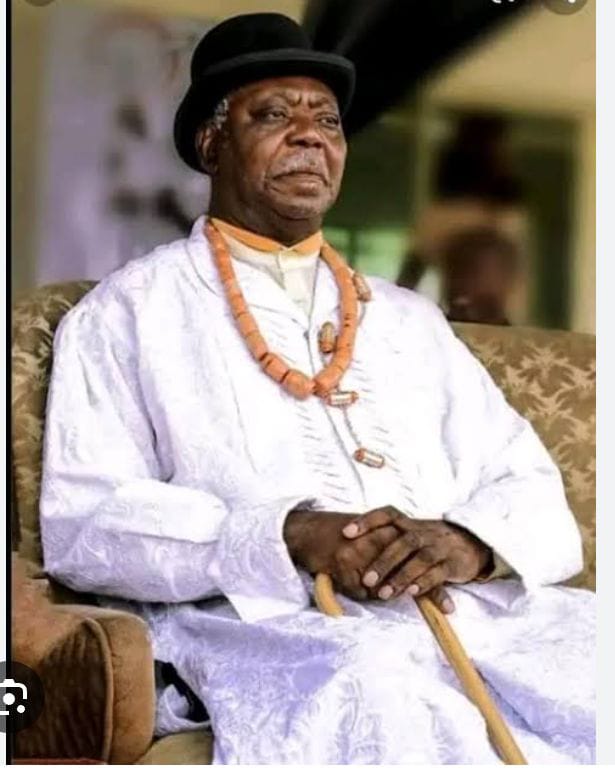
Late nationalist, politician and pioneering journalist Ernest Sisei Ikoli, has been described as anti-discrimination Icon, a symbol of the struggle against oppression and discrimination in Nigeria.
In a statement signed by the Executive Vice Chairman of Ernest Sisei Ikoli Foundation, Anthony George-Ikoli (SAN), highlighted Ikoli’s role as the first editor of the Daily Times of Nigeria, former assistant editor of the Lagos Weekly Record, and publisher of the African Messenger.
The statement issued on Wednesday 25 March, 2026, to mark his birthday anniversary, praised Ikoli’s contributions to journalism, politics, and Nigeria’s independence movement.
It also credited him with involvement in key nationalist movements and organisations, including the Universal Negro Improvement Association, People’s Union, Nigeria Youth Movement, and the Action Group.
According to the foundation, Ikoli championed unity across ethnic lines, advocating a vision of “one Nigeria, one Africa and one destiny.”
The statement maintained that Ikoli played a significant role in mentoring journalists, politicians, and labour leaders, while advancing the struggle for Nigeria’s independence from colonial rule.
“Chief Ernest Ikoli was a reformer, politician and a great journalist. He was endowed with exceptional qualities, a courageous man and an inspiration to many,” the statement said.
The foundation further commended his advocacy for social justice, democratic governance, and economic self-reliance, noting that he consistently pushed for policies aimed at improving the welfare of citizens and opening governance to broader participation.
It also highlighted his intellectual depth, oratory skills, and commitment to representative democracy and open government.
Ikoli was among Nigeria’s early nationalists who fought alongside figures such as Herbert Macaulay, Nnamdi Azikiwe, Obafemi Awolowo, and Ahmadu Bello in the struggle for independence. Born on March 25, 1893, in Nembe, Ikoli died at the age of 67 and was buried at Ikoyi Cemetery.
