


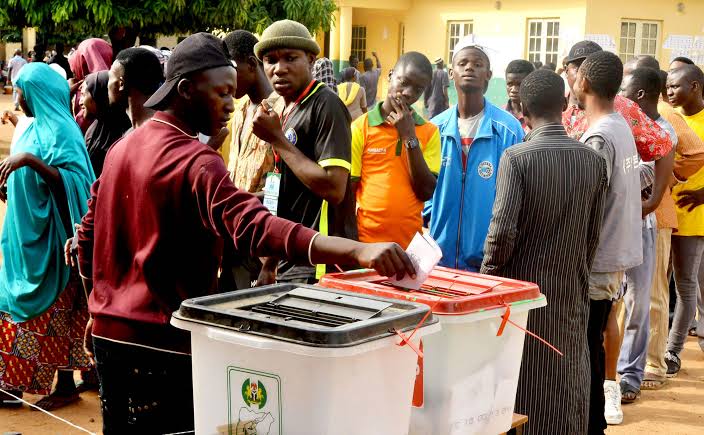
As Nigeria moves closer to the 2027 general elections, the country’s political landscape is evolving rapidly. It has transformed into a scene defined by shifting allegiances, party defections and discussions about the future of democratic competition.
One of the biggest trends this year has been the wave of defections from opposition parties to the ruling All Progressives Congress (APC). Since the 2023 elections, numerous governors and lawmakers who were elected under opposition platforms have switched loyalty to the APC.
These moves have dramatically reshaped the political order, giving the ruling party firm control over the majority of states and federal legislative seats.
Analysts note that this realignment has weakened the country’s main opposition party, the Peoples Democratic Party (PDP), leaving it with far fewer governorships and legislative influence than in previous election cycles.
In practical terms, a competitive two‑party system has tilted toward a dominant‑party environment. The APC now holds sway in most geopolitical zones of the country, and its influence in both the Senate and the House of Representatives has grown significantly.
Some critics argue this effectively limits choice for voters, while party supporters defend it as a natural outcome of Nigeria’s fluid political contests.
This realignment isn’t just about party names. It reflects deeper strategic calculations by politicians who believe aligning with the ruling party increases their access to federal resources, political appointments and influence.
Notably, high‑profile figures including the son of former vice president Atiku Abubakar have abandoned their old party platforms to back the APC and President Tinubu’s re‑election bid.
Also see: NLNG Commissions 6.5-Ton Gas Dispensing Facility in Rumuji
Yet not everyone has followed the trend. Governors like Seyi Makinde of Oyo State have publicly rejected pressures to defect, stressing the importance of a competitive opposition for Nigeria’s democracy.
His stance highlights early fractures within some political camps and suggests that not all political actors are comfortable with the growing dominance of one party.
At the same time, new political movements and alliances are emerging. The African Democratic Congress (ADC), for example, has gained prominence by attracting defectors such as former Labour Party leader Peter Obi, signalling a reshaping of opposition dynamics ahead of the polls.
Behind the defections and party reshuffles is a broader conversation about the health of Nigeria’s democracy. Some people warn that a dominant party system could dampen political competition and reduce accountability, while others argue that political realignments are part of a vibrant, democratic process.
Th ongoing realignment, questions democratic resilience, political identity, regional influence and what Nigerians should expect in the elections that will define the country’s next chapter.
