


Recently, Nigeria took a remarkable step in cultural preservation by becoming the first African nation to deposit a collection of its historical and cultural records in the Arctic World Archive, a secure storage facility deep beneath a mountain in Svalbard, Norway.
This vault, created within an old coal mine about 300 metres underground, is designed to preserve data on a medium expected to survive for centuries in cold, dry conditions, far more stable than most archives in warm, humid climates.
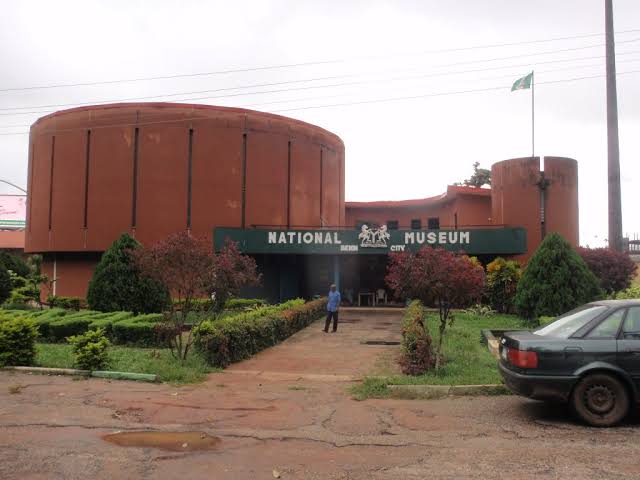
Nigeria’s decision was driven by real challenges. Many of the country’s museums, archives, research projects and cultural institutions operate with limited funding, outdated facilities and preservation challenges that put invaluable records at risk. Museums such as the National Museum in Lagos and other heritage centres often struggle to protect collections of documents, artifacts and photographs that narrate Nigeria’s past.
The collection sent to Svalbard includes a broad mix of material from 12 Nigerian organisations; private art galleries, community history projects, cultural foundations and national agencies, capturing voices and creative work that might otherwise be lost.
Also see: Food Preservation Key To National Transformation, Integration
Among them are archives from art spaces in Lagos, records preserving indigenous knowledge from communities in Imo State, and documentation of crucial moments in social history like the Asaba massacre.
For cultural advocates and historians, this is a chance to secure Nigeria’s narrative for future generations. Many records in Nigeria have succumbed to deterioration, poor storage conditions or have never been properly archived in the first place.
Depositing copies in Svalbard ensures that important pieces of the nation’s story have a protected place where they can be rediscovered by scholars, students and citizens decades or even centuries from now.
At the same time, the move shows how domestic institutions need stronger support, modern technology and sustained investment. Keeping a copy of history in Norway does not replace the need for vibrant local museums and archives rather, it points to the gaps that still must be addressed.
