


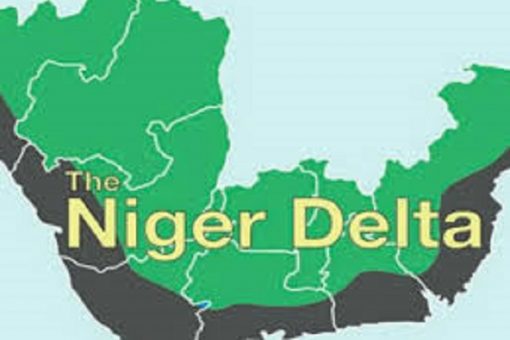
In a bid to deepen understanding of the developmental hurdles plaguing the Niger-Delta region, four prominent tertiary institutions in the South-South have embarked on a collaborative research initiative. The partnership brings together the Centre for Research and Development at Ignatius Ajuru University of Education, Rumuolumeni, Rivers State; the Institute for Niger-Delta Studies at Niger-Delta University, Wilberforce Island, Bayelsa State; the Centre for Water and Sanitation at Rivers State University, Port Harcourt; and the Centre for Niger-Delta Studies at Delta State University, Abraka.
The institutions have identified key areas of focus, including conservation of forest and marine resources, mitigating environmental pollution, managing flooding and erosion, conflict resolution and peace studies, as well as exploring the history, language, and culture of the region’s inhabitants. These areas are crucial to understanding the complex dynamics of the Niger-Delta region, which has been plagued by environmental degradation, social unrest, and economic challenges.
According to Professor Peter Ottuh, Director of the Centre for Niger-Delta Studies at Delta State University, Abraka, the collaborative effort aims to pool resources and present a unified front on issues affecting the region. “By working together, we can leverage our collective expertise and resources to develop effective solutions to the region’s challenges,” Ottuh said.
Also see: Liverpool Star Diogo Jota Killed in a Car Crash
The participating institutions have lamented the lack of research funding, urging government support at all levels. “Research is fund-intensive,” Ottuh noted. “However, with adequate support, we can contribute significantly to planning and implementing effective intervention policies and strategies.” The institutions are calling on the government to provide more resources and funding for research initiatives that focus on addressing the Niger-Delta region’s unique challenges.
The four universities plan to organise conferences, seminars, colloquia, and workshops to share research findings and drive solutions to Niger-Delta challenges. A committee will be established to formulate areas of collaboration, ensuring a cohesive approach to addressing the region’s complex issues. The research initiatives will also involve stakeholder engagement, including community leaders, government officials, and civil society organisations.
The meeting provided a platform for the institutions to discuss their research focus, methodology, and expected outcomes. According to Ottuh, the meeting was a crucial step towards developing a comprehensive research framework that addresses the region’s pressing issues.
The collaborative research initiative is expected to yield several outcomes, including policy briefs, research papers, and recommendations for government and stakeholders. The research findings will also inform the development of sustainable solutions to the region’s environmental, social, and economic challenges. By working together, the institutions aim to contribute to the region’s development and improve the lives of its inhabitants.
