


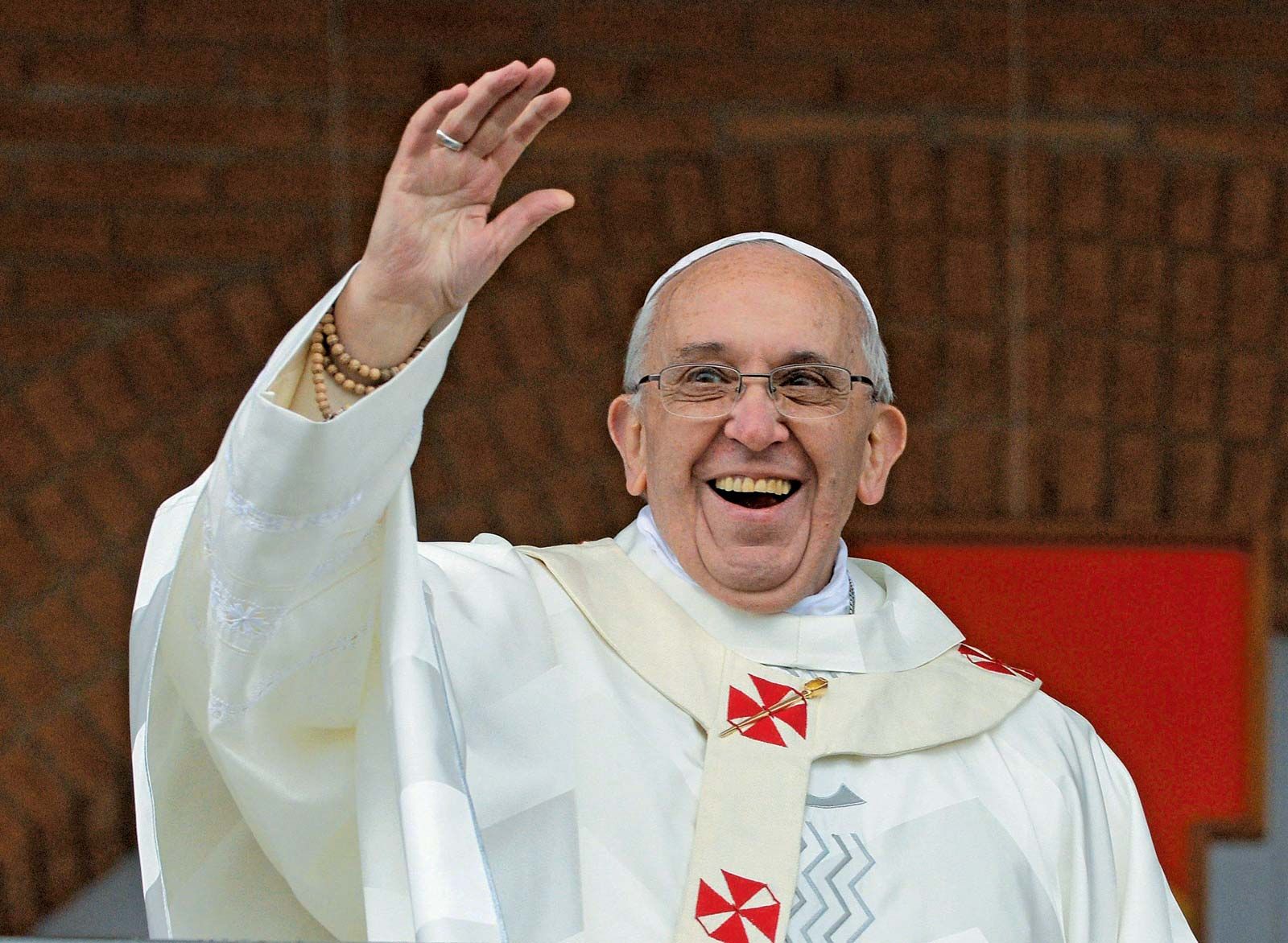
The election of a new pope is one of the most fascinating and sacred processes in the Catholic Church, steeped in centuries-old traditions and guided by faith. When a pope dies or resigns, the global Catholic community turns its attention to the Vatican, where the College of Cardinals gathers to select the next leader of the Church. This process, known as a papal conclave, is a blend of spiritual discernment, secrecy, and ritual. Below, is a breakdown on the procedure for choosing a new pope, outlining every stage of the process.
1. The Vacancy of the Papal See
The process begins when the “Sede Vacante”(Latin for “the seat being vacant”) is declared, typically following the death or resignation of a pope. The Camerlengo, a cardinal appointed to manage the Church’s affairs during this period, assumes temporary administrative duties. The Vatican prepares for the conclave, and the world awaits the selection of the new pontiff.
2. The College of Cardinals
The responsibility of electing a new pope falls to the College of Cardinals, a body of senior Church leaders. Only cardinals under the age of 80 are eligible to vote, and the maximum number of voting cardinals is capped at 120, though this number can vary slightly. These cardinals come from around the world, reflecting the global nature of the Catholic Church.
3. The Conclave Begins
The word “conclave” comes from the Latin cum clave, meaning “with a key,” referring to the locked environment where cardinals deliberate. The conclave takes place in the Sistine Chapel, a sacred space within the Vatican. Before entering, cardinals participate in a Mass for the Election of a Pope in St. Peter’s Basilica, invoking the guidance of the Holy Spirit.
Once inside the Sistine Chapel, the cardinals are sequestered from the outside world no phones, no internet, no external communication. They take an oath of secrecy, ensuring the process remains confidential. The phrase “Extra Omnes” (“Everyone out”) is declared, and all non-essential personnel leave the chapel.
4. Voting Process
The election of a pope is conducted through a series of secret ballots. Here’s how it works:
Ballots: Cardinals write the name of their chosen candidate on a ballot, which is then placed in a chalice. To be elected, a candidate must receive a two-thirds majority of the votes.
Related: Pope Francis Dies at 88
Scrutiny: Votes are counted and verified by designated cardinals, known as scrutineers. If no candidate achieves the required majority, the ballots are burned with a chemical that produces black smoke, signaling to the world that no pope has been chosen.
Rounds of Voting: The cardinals typically vote up to four times per day—two ballots in the morning and two in the afternoon. If no pope is elected after several days, they may pause for prayer and reflection before resuming.
5. The Election
When a candidate finally receives the necessary two-thirds majority, the Dean of the College of Cardinals asks the elected cardinal, “Do you accept your canonical election as Supreme Pontiff?”If he agrees, he becomes the new pope and chooses his papal name (e.g., Pope Francis, Pope John Paul II). The ballots are then burned with a different chemical, producing white smoke, which announces to the world that a new pope has been chosen.
6. The Announcement
The new pope is introduced to the world from the balcony of St. Peter’s Basilica. The Cardinal Protodeacon proclaims, “Habemus Papam!” (“We have a pope!”) and shares the new pope’s name and title. The pope then delivers his first blessing, known as Urbi et Orbi (“to the city and the world”), marking the start of his pontificate.
7. Spiritual and Symbolic Significance
The conclave is more than a political process; it is a deeply spiritual event. Cardinals pray for divine guidance, believing the Holy Spirit directs their decision. The Sistine Chapel’s awe-inspiring frescoes, including Michelangelo’s Last Judgment, serve as a reminder of the eternal weight of their responsibility. The secrecy of the conclave ensures that the decision is made free from external pressures, allowing the cardinals to focus on the needs of the Church.
A Timeless Tradition in a Modern World
The election of a pope is a remarkable blend of ancient ritual and spiritual purpose, adapted to the modern era while preserving its sacred core. It is a moment when the Catholic Church unites in faith, hope, and anticipation for the future. As the white smoke rises and the words “Habemus Papam” echo, the world witnesses the continuation of a 2,000-year-old legacy, guiding over a billion Catholics worldwide.
Whether you’re a Catholic or simply curious about this historic process, the papal conclave is a testament to the enduring power of tradition and the universal quest for leadership rooted in faith.
