


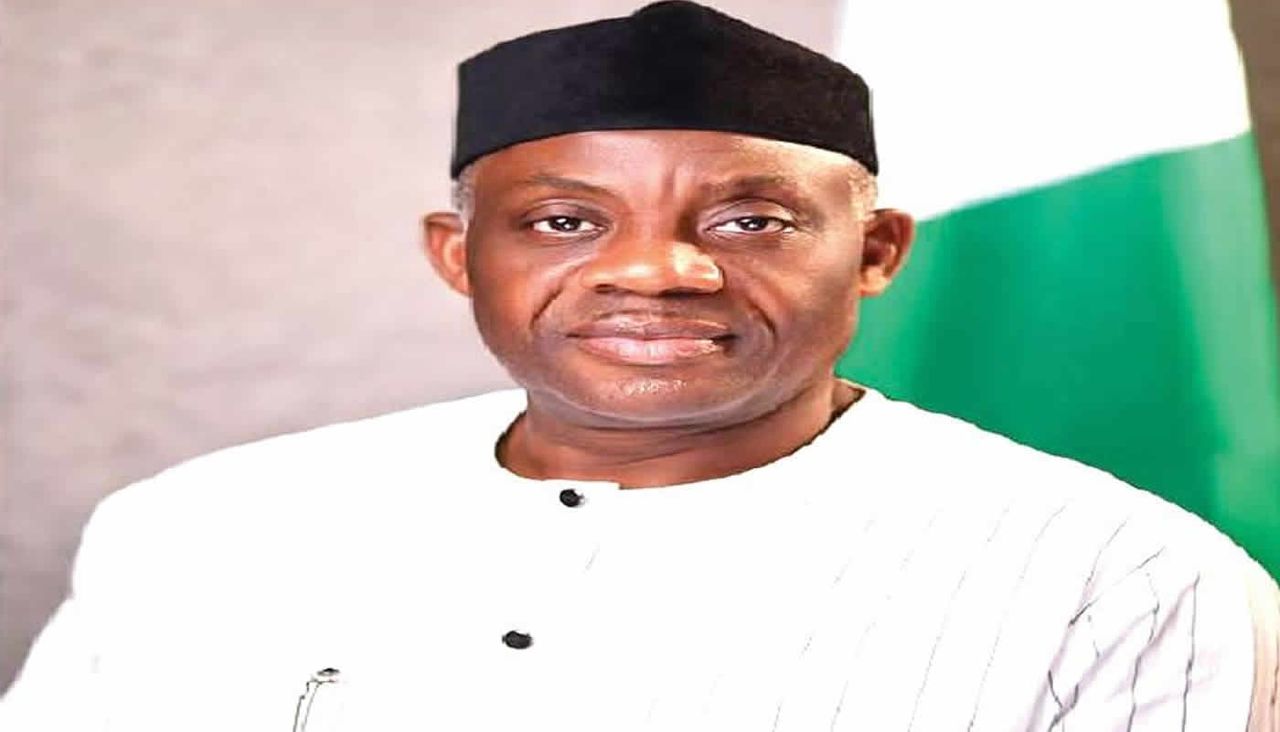
The Federal Government has dismissed claims that indigenous languages have been outlawed in Nigerian schools, clarifying that the policy only limits their use as the primary medium of instruction in order to better prepare students for national examinations conducted in English. Speaking during an interview with Newsmen on Sunday, the Minister of Education, Dr Tunji Alausa, said the decision followed a careful review of how the policy has been applied across the country.
According to him, the government recognises the educational value of teaching children in their mother tongue, but stressed that Nigeria’s linguistic diversity makes uniform application difficult. “Nobody has banned indigenous languages in schools. What we did was to assess the situation realistically,” Alausa said, noting that Nigeria has over 600 languages spoken across different ethnic groups.
Read more: Khana Schools Prioritize Student Welfare, Counseling
He explained that native languages would continue to be taught as subjects at the primary, junior secondary, and senior secondary levels, adding that the government remains committed to preserving local languages. The clarification comes in the wake of the Federal Government’s decision in November 2025 to discontinue the policy that made indigenous languages the main language of instruction nationwide—a move that sparked criticism from education stakeholders.
An education expert, Anthony Otaigbe, had described the decision as a regression, arguing that it removed one of the most forward-looking elements of Nigeria’s education policy. Similarly, the Bible Society of Nigeria urged the government in January 2026 to review the move, warning that several local languages risk extinction due to declining usage. Responding to the concerns, Alausa said the policy had been unevenly implemented over the years. While some regions barely adopted it, others extended it far beyond its original scope.
He explained that the framework was designed for instruction in indigenous languages from Primary One to Primary Three, after which teaching was meant to transition to English. However, in some areas, pupils were taught almost entirely in their mother tongue up to junior secondary school and beyond. The minister noted that such students often struggled in national examinations such as WAEC, NECO, and JAMB, which are conducted in English, especially due to a lack of adequate learning materials in local languages.
He added that government data on literacy and numeracy showed poorer outcomes in regions where the policy was excessively applied, compared to areas where instruction switched to English earlier. Alausa stressed that the revised approach aims to strike a balance between preserving indigenous languages and ensuring students are academically equipped to compete nationally.
