


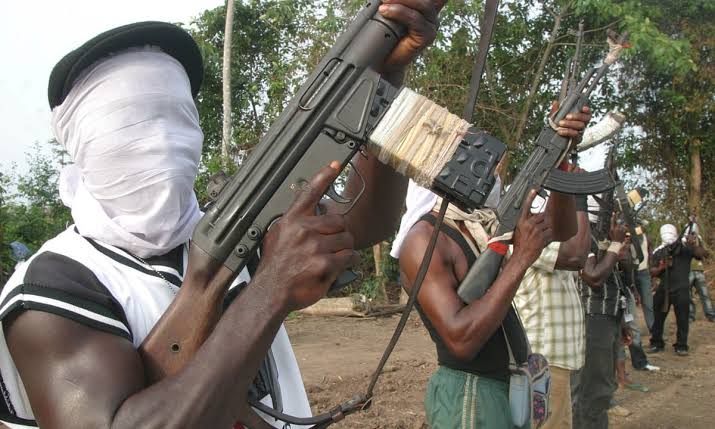
Nigeria’s insecurity crisis is worsening, and kidnapping has once again become one of the country’s most frightening daily realities. From quiet communities in Rivers State to churches, schools, and highways across the nation, criminal networks are operating with increasing boldness, leaving citizens gripped by fear.
In Rivers State, recent incidents have made it clear that kidnapping is no longer confined to distant rural areas. In January 2026, police arrested a man accused of kidnapping and killing a young woman despite ransom paid.
In another incident in Emohua, suspects were detained for abducting locals for ransom, while families in parts of Ikwerre and Igwuruta-Atali have reported repeated attacks along major roads.
Security forces have also rescued kidnap victims in recent operations and arrested several suspects, but these successes have not stopped the steady rise of abductions.
In some cases, victims were released only after heavy ransom payments, while others were killed despite their families’ efforts. Riverine communities and the outskirts of Port Harcourt remain particularly vulnerable due to limited police presence and poor road access.
For many residents, daily life has changed. Night travel has reduced sharply, traders now close shops early, and parents worry about letting their children move freely.
Nationally, the crisis is even more alarming. Though a Police statement denied the allegation, it was alleged that In Kaduna State, armed groups recently stormed churches and abducted more than 150 worshippers in coordinated attacks.
Also see: Tai LGA Teachers Receive New Curriculum Training
In Niger State, over 200 students and teachers were kidnapped from a Catholic school in one of several school abductions that have shaken the country. Across the Northwest and North-Central regions, mass kidnappings from villages, highways, and religious centres have become disturbingly frequent.
Reports show that thousands of Nigerians are kidnapped every year, with families paying billions of naira in ransom. Despite arrests and rescue efforts, criminals continue to operate with confidence, exploiting weak intelligence, poor equipment, and limited manpower within the security system.
Experts say the crisis is driven by poverty, unemployment, easy access to small arms, and weak law enforcement. In oil-producing states like Rivers, long-standing economic inequality and youth joblessness have also created fertile ground for criminal recruitment.
What can be done to put an end to the insecurities in Rivers State & Nigeria at large?
Will Nigeria ever be a safe place for all—regardless of religion—to live in unity?
