


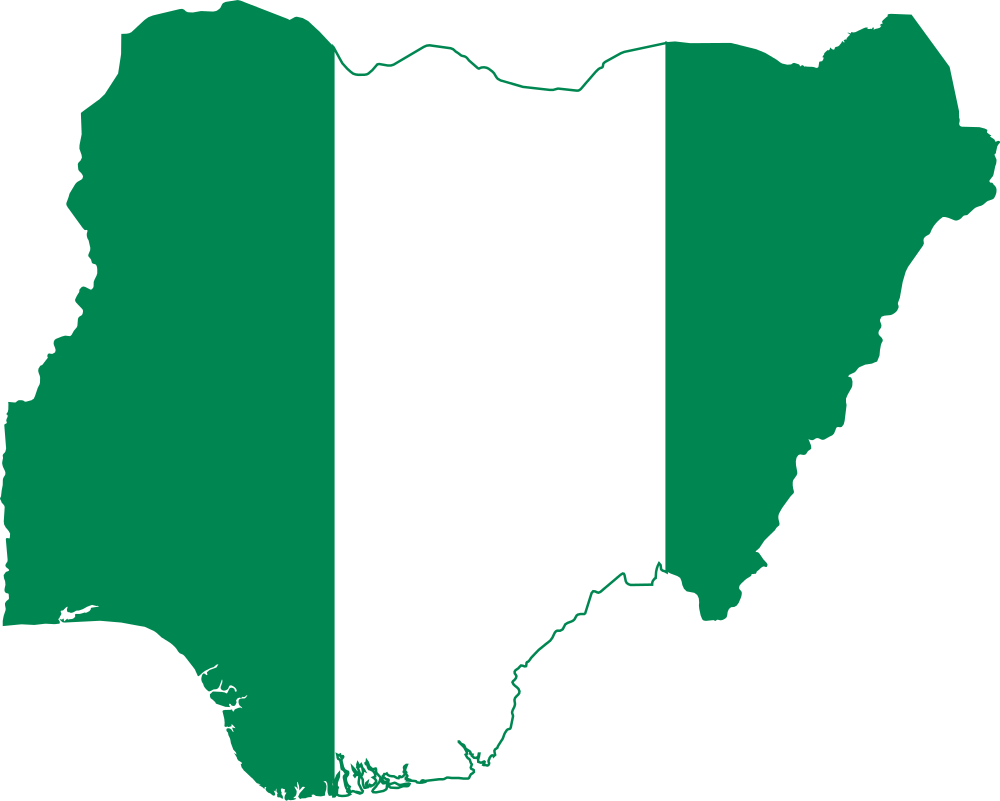
Nigeria, previously known as the “Giant of Africa,” is now trapped in a cycle of governance failures, pervasive corruption, and a political class more focused on self-interest than on advancing the nation.
This tragic contradiction is prominently displayed when compared to the paths of countries such as Malaysia and South Korea. In 1960, at the beginning of independence, Nigeria’s per capita GDP matched that of these nations. Currently, as Malaysia and South Korea have reached high-income status, Nigeria still grapples with economic stagnation, highlighting wasted opportunities and poor management.
The phrase “Africa Gap,” recently analyzed by The Economist, represents the economic stagnation of the continent. Nigeria illustrates this disparity, as vast natural resources starkly contrast with the poor living conditions of its people. The country’s dependence on oil has hindered diversification, making it susceptible to changes in the global market. In contrast, countries such as Malaysia have broadened their economies, diminishing reliance on single-resource exports and
President Bola Ahmed Tinubu’s government implemented economic changes, particularly the elimination of fuel subsidies and the merging of exchange rates, intending to stabilize the economy. Nonetheless, these actions have led to significant repercussions. Inflation increased from 22.2% to 34.8%, worsening the cost of living and driving additional Nigerians into poverty. The expected advantages of these reforms are still unclear, overshadowed by the current difficulties they have caused.
Nigeria’s situation is essentially a crisis of governance. The political scene is controlled by an elite entrenched in a cycle of favoritism and profit-seeking, emphasizing personal profit instead of the nation’s well-being. This self-interested leadership has sustained policies that hinder innovation and economic diversification, guaranteeing the country’s ongoing reliance on oil. The absence of clarity in handling public finances, like the unclear distribution of savings from subsidy eliminations, further diminishes public confidence.
The instability of the Nigerian naira showcases more profound economic mismanagement. Even with recent investor enthusiasm from high local bond yields, the fundamental economic conditions continue to be weak. Foreign reserves are decreasing, and the government’s responsive measures do not tackle fundamental problems such as excessive dependence on imports and a hostile investment environment. This unstable scenario discourages sustainable foreign investment and hinders long-term economic development.
Nigeria’s leadership frequently seems disconnected from the everyday challenges faced by its people. Extravagant spending, like purchasing a presidential aircraft during economic difficulties, emphasizes a rift that cultivates public discontent. As leaders pursue medical care overseas, local healthcare systems suffer, highlighting misguided priorities and a failure to invest in national progress.
News: Career Day Inspires Students in Asari-Toru LGA
Projections show that Nigeria’s population will exceed 400 million by 2050, and the lack of clear plans for job creation, industrialization, and human capital development is concerning. The growing youth demographic, encountering restricted opportunities, more and more sees migration as the only route to success. If not addressed, this demographic trend poses a risk to social stability and economic sustainability.
Nigeria’s possibilities are immense, but achieving them requires an apolitical upheaval that breaks down established elites and encourages accountability. Learning from nations such as South Korea, which evolved through effective industrial strategies and governance changes, Nigeria should focus on inclusive economic policies, enhance infrastructure, and promote a culture of transparency.
Nigeria, previously known as the “Giant of Africa,” is now trapped in a cycle of governance failures, pervasive corruption, and a political class more focused on self-interest than on advancing the nation.
This tragic contradiction is prominently displayed when compared to the paths of countries such as Malaysia and South Korea. In 1960, at the beginning of independence, Nigeria’s per capita GDP matched that of these nations. Currently, as Malaysia and South Korea have reached high-income status, Nigeria still grapples with economic stagnation, highlighting wasted opportunities and poor management.
The phrase “Africa Gap,” recently analyzed by The Economist, represents the economic stagnation of the continent. Nigeria illustrates this disparity, as vast natural resources starkly contrast with the poor living conditions of its people. The country’s dependence on oil has hindered diversification, making it susceptible to changes in the global market. In contrast, countries such as Malaysia have broadened their economies, diminishing reliance on single-resource exports and
President Bola Ahmed Tinubu’s government implemented economic changes, particularly the elimination of fuel subsidies and the merging of exchange rates, intending to stabilize the economy. Nonetheless, these actions have led to significant repercussions. Inflation increased from 22.2% to 34.8%, worsening the cost of living and driving additional Nigerians into poverty. The expected advantages of these reforms are still unclear, overshadowed by the current difficulties they have caused.
Nigeria’s situation is essentially a crisis of governance. The political scene is controlled by an elite entrenched in a cycle of favoritism and profit-seeking, emphasizing personal profit instead of the nation’s well-being. This self-interested leadership has sustained policies that hinder innovation and economic diversification, guaranteeing the country’s ongoing reliance on oil. The absence of clarity in handling public finances, like the unclear distribution of savings from subsidy eliminations, further diminishes public confidence.
The instability of the Nigerian naira showcases more profound economic mismanagement. Even with recent investor enthusiasm from high local bond yields, the fundamental economic conditions continue to be weak. Foreign reserves are decreasing, and the government’s responsive measures do not tackle fundamental problems such as excessive dependence on imports and a hostile investment environment. This unstable scenario discourages sustainable foreign investment and hinders long-term economic development.
Nigeria’s leadership frequently seems disconnected from the everyday challenges faced by its people. Extravagant spending, like purchasing a presidential aircraft during economic difficulties, emphasizes a rift that cultivates public discontent. As leaders pursue medical care overseas, local healthcare systems suffer, highlighting misguided priorities and a failure to invest in national progress.
Projections show that Nigeria’s population will exceed 400 million by 2050, and the lack of clear plans for job creation, industrialization, and human capital development is concerning. The growing youth demographic, encountering restricted opportunities, more and more see migration as the only route to success. If not addressed, this demographic trend poses a risk to social stability and economic sustainability.
Nigeria’s possibilities are immense, but achieving them requires an apolitical upheaval that breaks down established elites and encourages accountability. Learning from nations such as South Korea, which evolved through effective industrial strategies and governance changes, Nigeria should focus on inclusive economic policies, enhance infrastructure, and promote a culture of transparency.
The command is unmistakable: disrupt the pattern of deterioration through firm, inclusive, and open governance. The risks are significant, and the moment for impactful change is here.
