


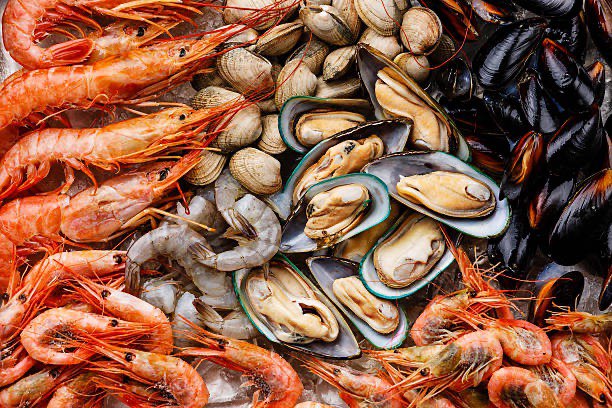
Seafood harvested from rivers in Ogoni land, Rivers State, contains elevated levels of heavy metals and petroleum hydrocarbons, rendering it unsafe for regular consumption and potentially leading to cancer and other serious health issues over time, particularly among children, according to findings from an independent investigation supported by the Pulitzer Centre for Crisis Reporting.
The study, conducted in partnership with academic experts, examined samples from rivers in communities such as Bodo, K-Dere, Mogho, and Gbee. Researchers observed that despite ongoing environmental remediation efforts, local residents continue to fish, gather periwinkles, bathe, and collect water from these polluted waterways. Often, catches coated in suspected oil sludge are simply rinsed in the river before being prepared at home or sold in markets.
Investigative journalist Anuoluwapo Adelakun, who led the project, explained that the inquiry stemmed from the daily struggles of community members who depend on these resources for survival. Analysis revealed persistent contamination through bioaccumulation in aquatic species, meaning long-term consumers face heightened dangers of illness, with young people especially vulnerable.
These concerns came to light during a recent multi-stakeholder dialogue held in Akpor community, Gokana Local Government Area, under the theme “Restoring Rivers, Reviving Livelihood, Renewing Life.” The gathering brought together representatives from the Hydrocarbon Pollution Remediation Project (HYPREP), the National Oil Spill Detection and Response Agency, Nigeria’s environmental enforcement body, civil society organizations, academics, media, women, and youth groups.
Community voices, including Chief Nadabel John, Chief Emmanuel Pii, and Mrs. Grace Namon, shared deep worries about the health consequences of living amid and consuming from polluted surroundings. Many residents linked unexplained ailments to long-standing exposure from air, water, and food sources.
Adelakun acknowledged some clarifications from HYPREP regarding sample locations amid active cleanup and highlighted ongoing challenges, such as limited access to information and communication gaps between authorities and locals.
Representing HYPREP, Technical Assistant Peter Lenu pushed back against certain claims, arguing that it is scientifically implausible for periwinkles or similar organisms to survive and be harvested alive in areas saturated with fresh crude oil. He emphasized substantial progress, pointing to a United Nations Environment Programme framework that anticipates a 25- to 30-year timeline for full recovery. He cited data showing total petroleum hydrocarbon levels reduced from over 20,000 milligrams per kilogram at baseline to around 277.5 milligrams per kilogram in monitored spots, indicating nearly 98 percent improvement in those zones. While remediation continues through methods like enhanced natural attenuation, he stressed that water quality is gradually improving.
The dialogue sought to bridge differing perspectives between official reports of advancement and the lived realities of affected communities, underscoring the urgent need for sustained action to safeguard health and restore sustainable livelihoods in Ogoni land.
