


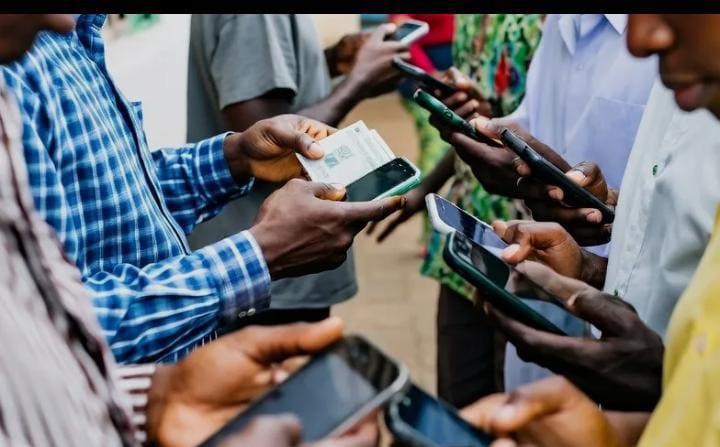
Mobile phones in Nigeria have long transcended their initial role as simple communication devices. Today, they are at the heart of a silent revolution in how Nigerians handle money. Digital wallets, mobile banking apps, and USSD codes are rapidly becoming the preferred tools for everything from paying utility bills and buying airtime to transferring funds and even making payments at local markets. This shift is not merely about convenience for the urban elite; it’s a fundamental re-wiring of financial access for millions, particularly in semi-urban and rural areas where traditional banking infrastructure remains sparse.
The widespread adoption of digital payment solutions is driven by several factors. Firstly, the sheer penetration of mobile phones across the country makes them a natural platform. Even basic feature phones can facilitate USSD transactions, bringing financial services to a demographic previously excluded. Secondly, the rising cost of transportation and the risks associated with carrying large sums of cash make digital alternatives highly attractive. Sending money to a family member in another state, paying for goods from an online vendor, or even settling daily expenses with a local vendor has become as simple as a few taps on a screen.
However, this boom comes with its own set of challenges. Network connectivity issues, though improving, can still hamper seamless transactions, especially in remote areas. Security concerns, including phishing scams and unauthorized access to accounts, remain a significant worry for users, demanding constant vigilance from both individuals and financial service providers. The need for robust digital literacy campaigns is paramount to ensure that users, particularly the less educated, understand how to protect their funds and identify fraudulent activities. Despite these hurdles, the momentum is undeniable.
Financial institutions, fintech startups, and telecommunications companies are all vying for a slice of this rapidly expanding market. They are continuously innovating, introducing new features, simplifying user interfaces, and expanding agent networks to bring services closer to the people. Mobile money agents, often found in small shops or kiosks, act as vital bridges, allowing users to deposit and withdraw cash, effectively turning their mobile phones into portable bank branches.
News: Port Harcourt To Host Elite Riders In 2026 International Polo Tournament
The economic implications of this digital transformation are profound. Small businesses can now receive payments instantly, improving cash flow and reducing dependency on physical cash. Farmers can receive direct payments for their produce, cutting out exploitative middlemen. The informal economy, a significant part of Nigeria’s GDP, is slowly being formalized, bringing more transactions into the financial ecosystem and potentially expanding the tax base. It also reduces the cost of doing business, making it easier for entrepreneurs to thrive.
Moreover, the ease of access to digital financial services is fostering a culture of financial inclusion. Individuals who previously had no bank accounts can now participate in the formal financial system, gaining access to credit, savings, and insurance products. This inclusion is a critical step towards poverty reduction and economic empowerment, providing a lifeline for many struggling to make ends meet in a challenging economic climate. The ability to track income and expenses digitally also promotes better financial planning and management among households.”I use my phone for everything now.
I pay my electricity, buy data, and even send money to my mother in the village without stress. It’s truly changed how I manage my money.” – Emeka ObiRegulators are also playing a crucial role, working to create a safe and enabling environment for digital payments while protecting consumers. Policies aimed at strengthening cybersecurity, ensuring data privacy, and promoting interoperability between different platforms are continuously being developed. The goal is to strike a balance between fostering innovation and safeguarding the integrity of the financial system. This regulatory oversight is essential to build trust and encourage wider adoption.
“For my small shop, accepting payments through transfer has been a game-changer. I don’t have to worry about change or keeping too much cash. It’s much safer.” – Mrs. Okoro The future of money in Nigeria appears increasingly digital. While cash will undoubtedly remain a part of the economy for the foreseeable future, its dominance is being steadily eroded by the convenience, security, and accessibility offered by mobile digital wallets.
This evolution promises a more connected, efficient, and inclusive financial landscape, transforming not just how Nigerians pay, but how they live and interact economically with the world around them. It’s a testament to the power of technology to bridge gaps and create new opportunities in an ever-changing world.”I think it’s great for financial inclusion, but the transaction fees can add up. It would be better if some basic services were free or cheaper.” – Chika Nwachukwu
