


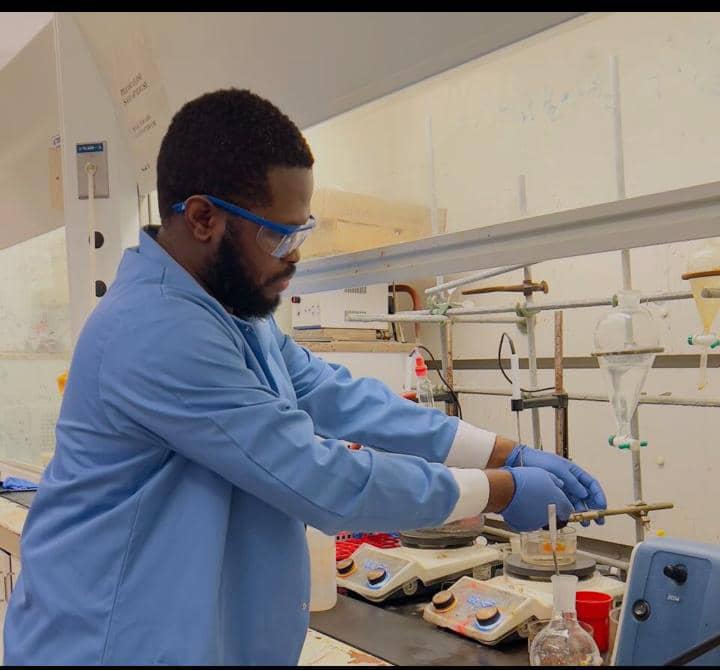
Nigeria, a nation with abundant renewable energy resources, is increasingly turning to advanced materials science to unlock the full potential of solar, wind, and biomass technologies. Beyond simply deploying existing green technologies, Nigerian scientists and engineers are now delving into the fundamental properties of new materials to develop more efficient, cost-effective, and durable solutions for clean energy generation and storage. This research is critical for accelerating Nigeria’s energy transition and reducing its reliance on fossil fuels.
The core of this research lies in manipulating matter at the atomic and molecular levels to create materials with enhanced functionalities. For solar energy, scientists are exploring perovskite solar cells, a new class of materials that promise higher efficiency and lower manufacturing costs than traditional silicon. Researchers are working on improving their stability and scalability, crucial for deployment in Nigeria’s often harsh tropical environment.
In the realm of energy storage, the focus is on developing next-generation battery technologies. This includes solid-state batteries, which offer higher energy density and improved safety compared to conventional lithium-ion batteries, and supercapacitors, which provide rapid charging and discharging capabilities. Nigerian research aims to utilize locally available raw materials where possible, reducing import dependency and fostering indigenous manufacturing capabilities.
Wind energy is also benefiting from advanced materials. Scientists are investigating lighter, stronger, and more flexible composite materials for wind turbine blades, which can improve efficiency and allow for larger turbines even in areas with lower wind speeds. The goal is to maximize energy capture while minimizing maintenance needs in remote locations.
News: Diri Handover Residential Quarters to Army
A significant challenge in this field is the need for specialized laboratory equipment, high-performance computing resources for material simulations, and access to advanced characterization techniques. Funding, skilled personnel, and international collaborations are vital to push the boundaries of this research. Universities like the Federal University of Technology, Akure, and the University of Nigeria, Nsukka, are leading these efforts, forming partnerships with industry and global research institutions.
Despite the hurdles, the potential impact of advanced materials science on Nigeria’s renewable energy sector is transformative. More efficient solar panels mean more electricity from smaller footprints. Better batteries mean more reliable energy storage for off-grid communities and a more stable national grid. Durable components mean longer-lasting infrastructure and lower operational costs.
This strategic investment in fundamental science underscores a long-term vision for Nigeria’s energy independence and technological sovereignty. By fostering an environment where advanced materials can be researched, developed, and eventually manufactured locally, Nigeria is not just adopting green energy; it is becoming a contributor to the global innovation landscape for sustainable technologies.
The advancements promise to not only address the energy deficit but also create new high-tech industries and skilled jobs, diversifying the economy and positioning Nigeria as a leader in sustainable development in Africa.
It is a testament to the power of scientific inquiry to drive national progress.
The public reaction to this scientific endeavor is one of cautious optimism. “If our scientists can make better solar panels and batteries, that’s a huge blessing for everyone who struggles with electricity,” commented John Okafor, a small business owner. “We need reliable power.” However, Dr. Amina Bello, a sustainability advocate, stressed the need for practical application: “The research is excellent, but we must ensure these advanced materials translate into actual products that are affordable and accessible to the average Nigerian. The gap between lab and market needs to be bridged efficiently.” These comments highlight the aspiration for scientific breakthroughs to have a tangible impact on daily life.
