


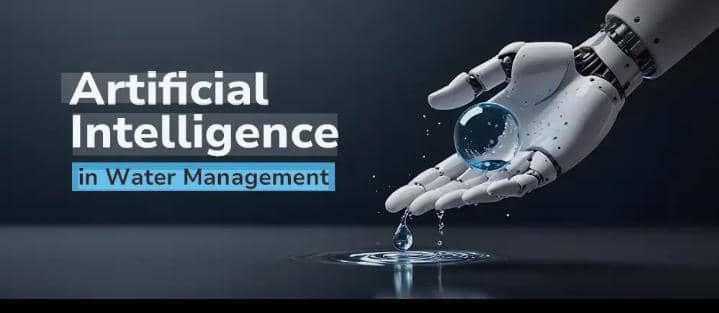
Nigeria, a nation grappling with the dual challenges of water scarcity in some regions and devastating floods in others, is quietly turning its attention to a sophisticated ally: Artificial Intelligence. Beyond the immediate crisis response, there is a growing recognition that smarter, data-driven approaches are essential for long-term water security. This shift is not about building more dams alone, but about managing an increasingly volatile resource with unprecedented precision.
The initiative, spearheaded by a consortium of federal agencies and local universities, focuses on deploying AI models to analyze vast datasets related to rainfall patterns, river levels, reservoir capacities, and consumption rates. Traditional water management often relies on historical averages and manual monitoring, which are proving inadequate against the backdrop of climate change. AI offers the ability to predict extreme weather events with greater accuracy, model complex hydrological systems, and recommend dynamic allocation strategies.
One key application involves flood prediction and early warning systems. By integrating satellite imagery, sensor data from river basins, and meteorological forecasts, AI algorithms can identify areas at high risk of inundation days in advance. This allows for timely evacuation orders, pre-positioning of relief materials, and proactive infrastructure adjustments, potentially saving lives and mitigating economic damage. Farmers in riverine communities, often caught off guard, stand to benefit immensely from more reliable warnings.
Conversely, in arid and semi-arid regions, AI is being explored to optimize irrigation schedules and conserve scarce water. Machine learning models can analyze soil moisture levels, crop water requirements, and even market prices to suggest the most efficient irrigation practices. This could unlock significant productivity gains for agriculture, a sector vital to Nigeria’s economy and food security, while minimizing water wastage.
News: SOBAN Declares Tinubu, Fubara’s Mandates Sacrosanct Ahead Of 2027
The deployment of AI is not without its challenges. Data collection infrastructure needs significant upgrades, and there is a critical need for skilled AI engineers and hydrologists who can work across disciplines. Furthermore, ensuring equitable access to these technologies and preventing a digital divide in water management decisions will be crucial. Public awareness campaigns and community engagement will be vital to build trust and encourage adoption, especially in rural areas where technology adoption can be slow.
However, the potential rewards are immense. Imagine a future where urban water supply systems automatically detect leaks and adjust pressure to prevent wastage, or where communities can access real-time information about their local water quality. AI promises to transform water from a static resource to a dynamically managed one, responsive to both human needs and environmental pressures. It moves the conversation beyond simple rationing to intelligent resource stewardship.
This exploration also positions Nigeria as a leader in applying cutting-edge technology to fundamental developmental challenges. Success in water management could serve as a blueprint for other African nations facing similar environmental pressures. It underscores a strategic move away from reactive solutions towards proactive, preventative measures that leverage the full power of modern computational tools.
The journey is long, and the scale of Nigeria’s water challenges is vast. Yet, by embracing AI, the nation is investing in a future where water security is not just a hope but a meticulously managed reality. This is not a futuristic dream; pilot projects are already demonstrating the efficacy of these models in various regions, highlighting the practical benefits of this technological embrace.
Many Nigerians are cautiously optimistic about this development. “It’s about time we used technology to solve our big problems,” commented Emeka Okoro, an environmental consultant. “We’ve seen too much waste and too many lives lost to floods. If AI can genuinely help manage our water better, then it’s a huge step forward.” Others expressed concerns about implementation. “The technology sounds good, but will it reach the people who need it most?” asked farmer Aisha Usman. “We need practical solutions that work on the ground, not just fancy algorithms.” This blend of hope and skepticism underscores the urgent need for transparent and effective deployment strategies.
