


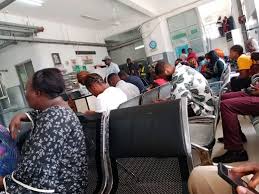
The healthcare system is at a critical juncture, where hospitals are struggling to survive amid the weight of unpaid bills. The escalating costs of care have created a perfect storm, leaving hospitals torn between providing life-saving treatment and cutting financial losses.
This Catch-22 situation is starkly illustrated by the recent Onyenehigo family’s harrowing experience, where a grandmother and infant were detained for 13 months over unpaid medical bills following a tragic pre-term delivery.
As the healthcare landscape becomes increasingly unsustainable, we must confront a fundamental question: Can we afford to let hospitals fail, or must we intervene to save them? The answer is crucial, as the fate of countless patients hangs in the balance.
While hospitals, regardless of ownership, are dedicated to saving lives, individuals must also take responsibility for their medical expenses. Timely payment of bills ensures the facility’s sustainability and continued service to the community.
In many Nigerian hospitals, a disturbing trend has become all too common. Patients arrive seeking medical care, only to be left unattended due to their inability to pay the bills.
This harsh reality is a daily struggle for countless individuals who are forced to navigate a healthcare system that seems more focused on financial transactions than providing life-saving care.
The scene is often heart-wrenching. Patients lie on hospital beds or stretchers, waiting for hours, even days, for treatment that never comes.
Their families are left to beg for attention, scrambling to gather funds to secure the care their loved ones desperately need. In some cases, patients are forced to buy medical supplies and drugs themselves, adding to the financial burden.
Also Read: http://Bayelsa APC Elders Accuse Lokpobiri Faction of Fueling Anti-Sylva Propaganda
The consequences of this situation are dire. Patients who cannot afford care are often turned away, forced to seek treatment elsewhere, or left to fend for themselves. This can lead to delayed treatment, worsening of conditions, and even death.
The psychological trauma inflicted on patients and their families is immeasurable, exacerbating the suffering and pain. Although the Onyenehigo family was released on Wednesday, the long detain and trauma could have been avoided.
We can find a balance between providing care and maintaining the hospital’s viability, ultimately benefiting the greater public and avoiding unnecessary suffering and criticism. The root cause of this problem lies in the healthcare system’s over-reliance on out-of-pocket payments.
In emergencies where a patient is critically ill and there’s no Immediate payment made before treatment begins, hospitals and patients or guardians should establish a mutual understanding and agree on a payment plan.
This agreement should be documented, with a copy provided to the patient, and potentially backed by a guarantor or collateral if necessary. This approach ensures clarity and fairness for both parties.
The government must prioritize healthcare funding, ensuring that hospitals receive adequate resources to provide quality care. Additionally, implementing comprehensive health insurance schemes and social protection programs can help alleviate the financial burden on patients.
Until then, the daily struggles of patients in Nigerian hospitals will continue, a stark reminder of the need for a more compassionate and equitable healthcare system.
