


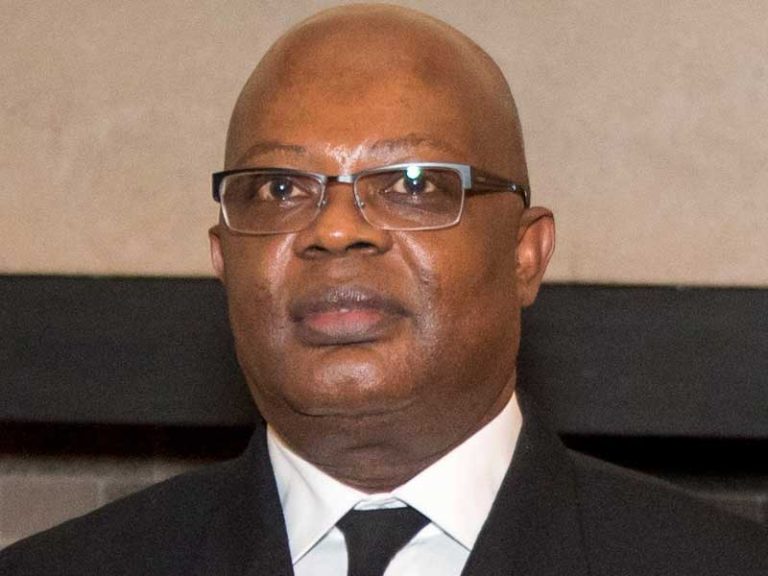
The Coalition for Civil Service Reforms (CCSR) has showered praise on the Sole Administrator of Rivers State, Vice Admiral Ibok-Ete Ibas (rtd.), for what it described as decisive steps to revitalise the state’s struggling civil service.
In a statement issued on Sunday by its National President, Comrade LarryKing Amos, the coalition lauded Ibas’ reform drive, pointing out that his policies have breathed new life into a sector long weighed down by dilapidated infrastructure and poor staff morale.
According to the group, the administrator’s consistency in paying salaries and prioritising workers’ welfare has greatly improved productivity and lifted the spirits of civil servants across the state.
The group notes that the effort of the sole administrator has inspired fresh energy among civil servants, fostering unity and a more cordial relationship between the workforce and government in recent months.
The body also expressed gratitude to the House of Representatives Ad Hoc Committee, which last week ordered the renovation of the deteriorating Rivers State Secretariat and called for workers to be moved out of unsafe sections of the building.
The CCSR recalled that it had repeatedly raised alarms in the past over the dangerous state of the secretariat and other government buildings, lamenting that some areas were “virtually uninhabitable.”
“But since the inception of this current administration, the feelers we have received from the State show a man who is intentional about the safety and welfare of civil servants. We have taken cognisance of the many laudable interventions of the Sole Administrator, His Excellency, Vice Admiral Ibok-Ete Ibas; and this gladdens our hearts,” the coalition noted as they eulogized the effort as the first of the kind to have restored hope to the civil servant sector.
Read Also: Sole Administrator Ibas Inaugurates RSIEC Members
During an inspection of the state secretariat last Wednesday, House Leader and Chairman of the Committee, Prof Julius Ihonvbere, decried its condition, likening it to facilities in Gaza.
He pointed to broken floors, leaking roofs, exposed electrical wires and the absence of basic necessities such as water, toilets and furniture
