


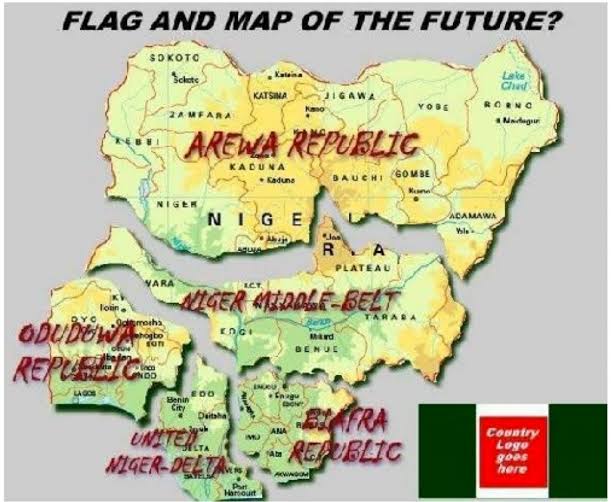
As I reflect on Nigeria’s complex history, one truth stands out: the British didn’t just colonise our land; they boxed us into ethnic stereotypes that still shape our society today. It’s 2025, and the echoes of their bureaucratic sorting linger in our aspirations, our security forces, and even our inter-ethnic tensions. As a curious observer of this legacy, I argue that while these colonial labels were a deliberate tool of division, they also offer a challenge and an opportunity to redefine Nigeria’s future.
Consider the Igbo, branded as the “entrepreneurial” race by the British based on their interactions with coastal traders in the palm oil trade. This wasn’t a compliment rooted in merit; it was a narrow lens that ignored the vibrant pre-colonial Igbo society, farmers, herbalists, artists, and blacksmiths thriving in harmony. Over time, many Igbos internalised this label, channelling ambitions into commerce and civil service roles like clerks, a pattern reinforced by British recruitment. Yet, this stereotype sidelined their diverse talents, locking generations into predefined paths. Today, while Igbo business acumen shines, the legacy of this simplification fuels debates about equitable access to other sectors.
The Hausa-Fulani faced a different tag: the “martial race.” The British, impressed by their resistance and decentralised structures, funnelled them into the military, where they eventually comprised nearly 70% of the ranks. This imbalance still haunts Nigeria’s security architecture, as seen in the 2024 herder-farmer clashes, where ethnic dominance in the forces amplifies mistrust. Could a more balanced recruitment have prevented such tensions? Perhaps, but the colonial mould was set, and it’s hard to break.
Then there’s the Yoruba, labelled “intellectuals” due to early missionary education in Lagos and figures like Ajayi Crowther, who translated the Bible into Yoruba. This stereotype positioned them in academia and administration, yet it masked regional disparities. The Western region’s relatively low access to formal education spurred Awolowo’s free education program mid-century, a testament to local resilience against a colonial narrative. Still, the label lingers, shaping career expectations and occasionally stoking rivalry with other groups.
Related News: Nigeria’s New Loans: A Risky Bet on a Flawed System
This wasn’t accidental. The British engineered a balkanised civil structure, assigning roles to manage a diverse population, not to unite it. The Tiv, despite their egalitarian roots and fierce resistance to taxation, were cast as martial due to their warrior spirit, a twist of perception documented in works like Laura and Paul Bohannan’s studies. Elsewhere, the pattern repeats: in India, British pseudoscience divided Hindus and Muslims, leading to the 1947 partition violence; in Rwanda, Belgian favouritism toward Tutsis over Hutus set the stage for the 1994 genocide. Nigeria’s story is less explosive, but the seeds of competition and mistrust were planted just the same.
Critics might argue this is ancient history, irrelevant to a modern Nigeria. Yet, recent calls for regional governance in 2025 debates and resistance to a merit-based civil service reveal how deeply these roles are etched. Online comparisons of African art to Roman statues, circulating as recently as May 2025, show how the colonial view of Africans as “savages” persists, dismissing the sophistication of Igbo sculptures or Yoruba bronzes. Even in Kenya, where Kikuyu traders mirror the Igbo and Kamba warriors echo the Hausa, the imperial playbook is clear.
So, what now? Nigeria’s diversity, with over 250 ethnic groups, could be its strength, but only if we dismantle this colonial script. A decentralised governance model, respecting cultural identities, might break the cycle, though centralised power resists. Experts suggest meritocracy could level the field, yet entrenched interests cling to the old ways. The 2024 security debates and social media spats over ethnic roles prove the urgency.
I believe we can rewrite this narrative. The British divided to rule, but we can unite to thrive. It starts with acknowledging this legacy, then boldly crafting a system where the tribe doesn’t dictate destiny. The past weighs heavy, but the future is ours to shape. Let’s seize it.
