


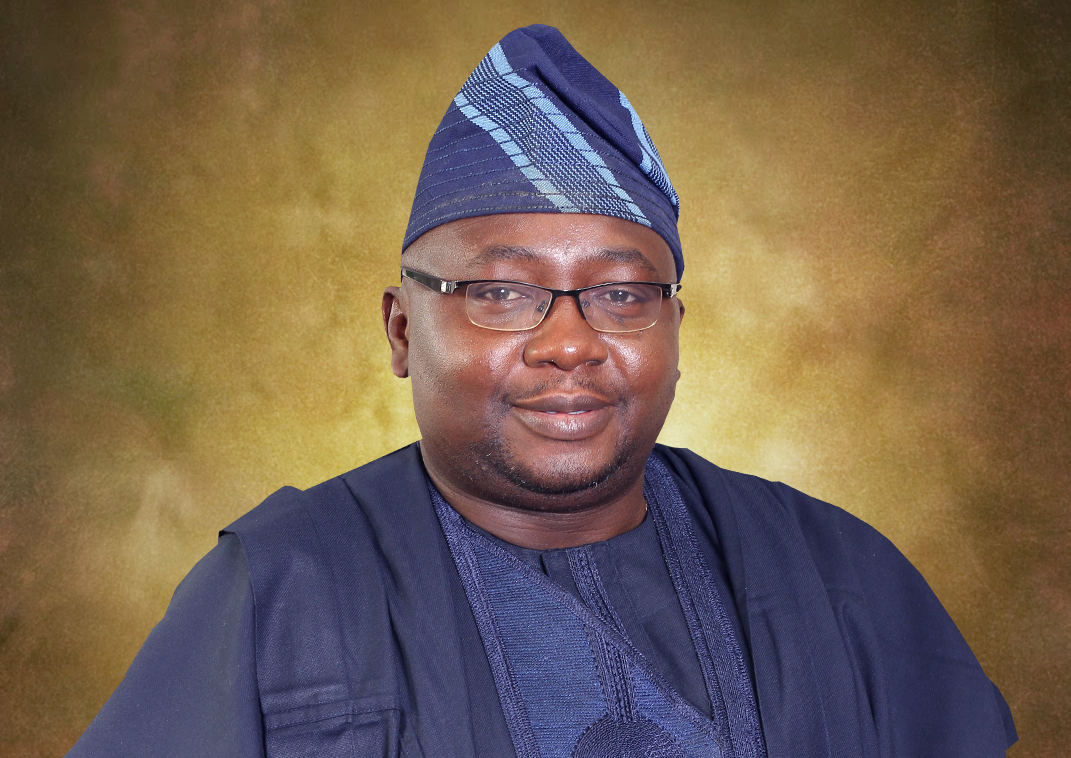
Nigeria’s industrial energy prospects received a modest boost this weekend as the Federal Government confirmed a 9% increase in national electricity generation. Speaking through a formal statement issued on Sunday, April 12, 2026, the Minister of Power, Adebayo Adelabu, revealed that actual power generation on the national grid rose from 3,951 megawatts (MW) on March 28 to over 4,300 MW by Friday, April 10.
The Minister noted that this improvement fulfills a two-week “supply stabilization” pledge made during the first quarter Ministerial Power Sector Working Group meeting, providing a slight reprieve for businesses that have struggled with erratic supply throughout the early months of the year.
The recovery is primarily attributed to a significant breakthrough in the “gas-to-power” value chain. Data released by the Ministry shows that gas supply to thermal power plants, which account for roughly 80% of Nigeria’s electricity, surged from 605 million standard cubic feet per day (mmscfd) to over 704 mmscfd within the same timeframe.
This increased feedstock allowed generating companies (GenCos) to improve their “operational availability” from 4,208 MW to a peak of 4,694 MW. While the total output remains far below the national demand of over 20,000 MW, the Minister’s spokesperson, Bolaji Tunji, described the current trajectory as a “gradual recovery” driven by better coordination between gas producers and the Transmission Company of Nigeria (TCN).
Also Read: http://Pipeline Surveillance Contract Improves Stability, Curbs Oil Theft – N’Delta Stakeholders
Despite the statistical gains, the business community remains cautiously optimistic. Financial analysts point out that while “mechanical availability” (the total potential of installed turbines) has peaked at over 7,796 MW, the inability to consistently convert more than 60% of that capacity into usable light remains a structural bottleneck.
To address this, Minister Adelabu recently inaugurated a Gas-to-Power Monitoring Committee, a high-level body mandated to resolve real-time issues such as pipeline vandalism, outstanding debts to gas suppliers, and technical synergy between the GenCos and the National Independent System Operator (NISO).
As of Monday afternoon, April 13, 2026, the focus has shifted toward the sustainability of these gains. The Minister has also urged the Nigeria Electricity Management Services Agency (NEMSA) to fast-track the training of installers to bridge the massive “metering gap” that continues to plague commercial viability in the sector. While the current 4,300 MW peak represents a short-term win for the “Renewed Hope” infrastructure agenda, the government admits that “we are not there yet.” For Nigerian businesses, the true test will be whether this 400 MW increase can be maintained as a baseline or if it remains a temporary spike in a perennially fragile grid.
