


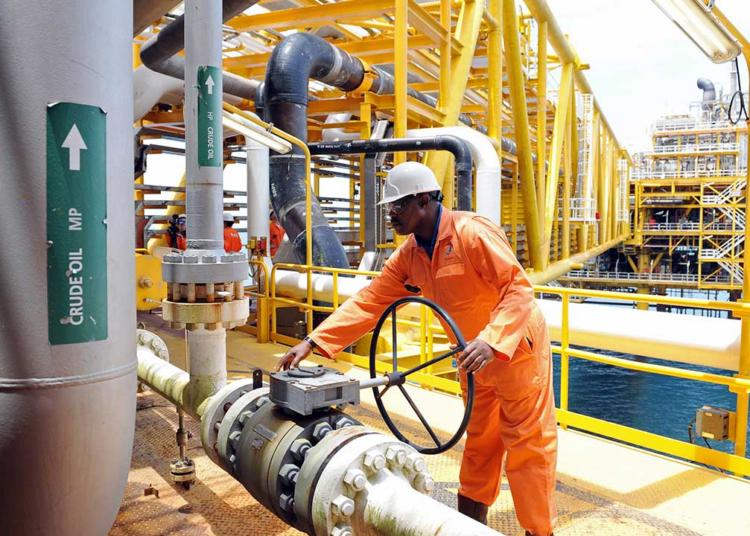
Efforts to revive the oil production in Nigeria are intensifying through improved relations with foreign companies and restructuring of the energy sector.
According to NUPRC, recent data indicate a mixed forecast for Nigeria’s hydrocarbon resources. As of January 2026, the reserves of gas in the country increased by 2.21% to 215.19 trillion cubic feet, while the oil and condensate reserves fell by 0.74% to 37.01 billion barrels.
As a reaction to that, the Nigerian authorities are trying to restructure the sector to attract new investments and increase oil production. Nigeria plans to participate in the Invest in African Energy Forum, which will take place in Paris. There, Nigeria intends to promote investment opportunities in the country’s oil and gas industry.
The government believes that changes like the adoption of the Petroleum Industry Act made the conditions more favourable for foreign investments. In 2025 alone, the country approved 28 field development plans worth $18.2 billion, involving 1.4 billion barrels of reserves.
News: Stakeholders Oppose Pipeline Contract Decentralisation
Crude oil production has also shown signs of recovery, rising to between 1.6 and 1.7 million barrels per day, supported by increased drilling and stronger participation from indigenous operators
In addition, major infrastructure projects are underway to strengthen the sector. The Dangote Refinery is ramping up operations, while pipeline expansion and gas monetisation initiatives aim to improve efficiency and domestic utilisation.
With these measures, Nigeria is seeking to reverse declining oil output and re-establish itself as a competitive destination for global energy investment.
