


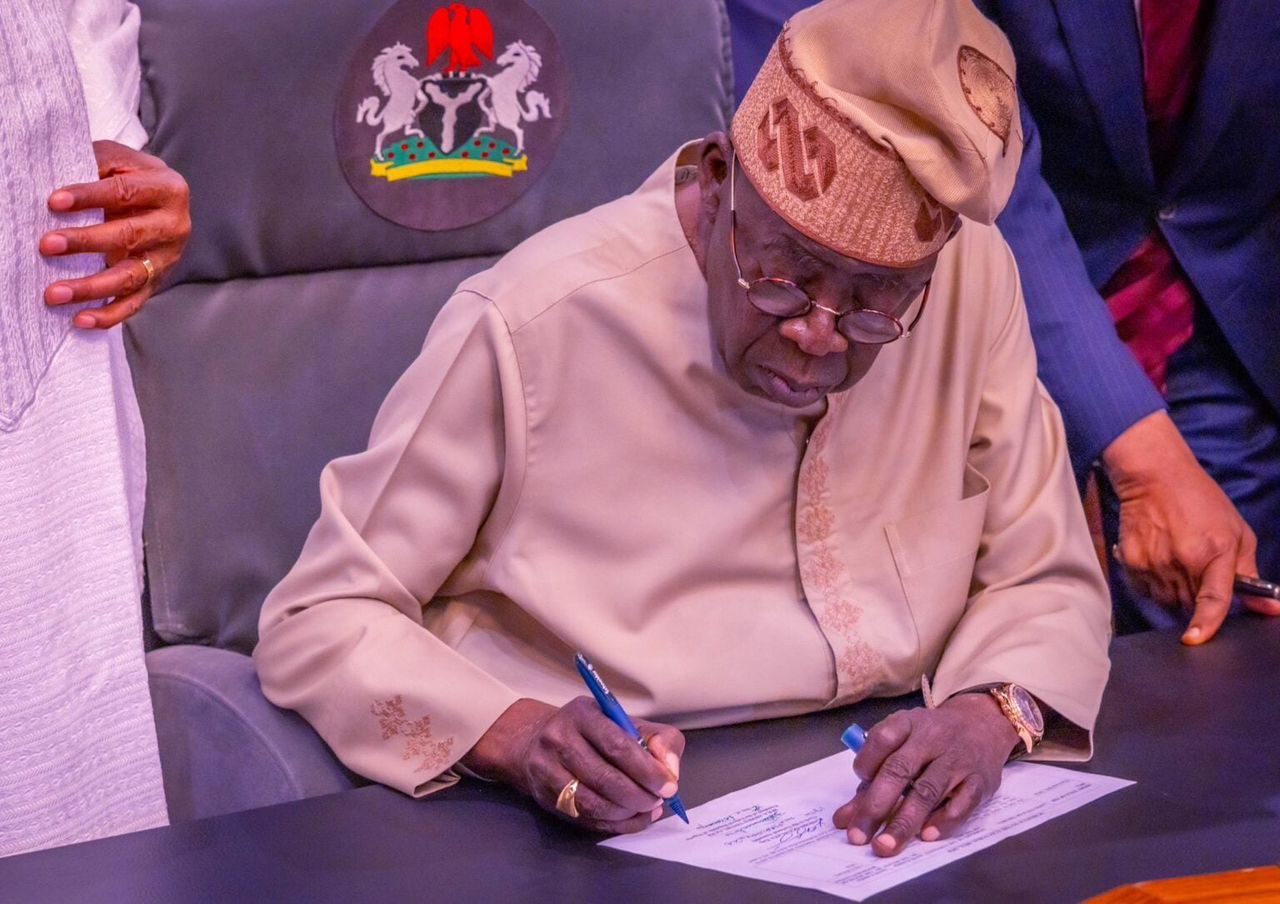
President Bola Tinubu has approved a structured payment plan to address long-standing debts in Nigeria’s power sector, a move aimed at improving electricity supply and restoring stability across the industry.
In a statement issued by his Special Adviser on Information and Strategy, Bayo Onanuga, the government said the decision followed a comprehensive review of legacy debts accumulated between February 2015 and March 2025. After verification, N3.3 trillion was agreed as the final settlement figure to resolve the liabilities.
Implementation of the plan has already commenced, with 15 power generation companies signing agreements worth N2.3 trillion. The Federal Government has so far raised N501 billion to support the process, out of which N223 billion has been disbursed, while further payments are ongoing.
The government said the intervention is expected to stabilise electricity generation and improve supply nationwide. It noted that settling debts across the power value chain would enhance reliability, attract investment, and create more jobs in the sector.
Also speaking, the President’s Special Adviser on Energy, Olu Arowolo-Verheijen, said the initiative goes beyond debt repayment, describing it as a broader effort to rebuild confidence in the industry. She explained that the reforms would ensure gas suppliers are paid, power plants remain operational, and consumers benefit from improved service delivery, including better metering and cost-reflective tariffs.
Tinubu commended stakeholders for their role in addressing the sector’s challenges and confirmed that the next phase of the programme will begin within the current quarter.
However, the development comes amid concerns from power generation companies. The Chief Executive Officer of the Association of Power Generation Companies, Joy Ogaji, recently revealed that gas suppliers had suspended supply over debts estimated at N3.3 trillion, worsening electricity shortages.
She attributed the crisis to persistent payment shortfalls and stated that total liabilities in the sector have risen significantly in recent years, largely due to unpaid obligations to generation companies and gas suppliers.
