


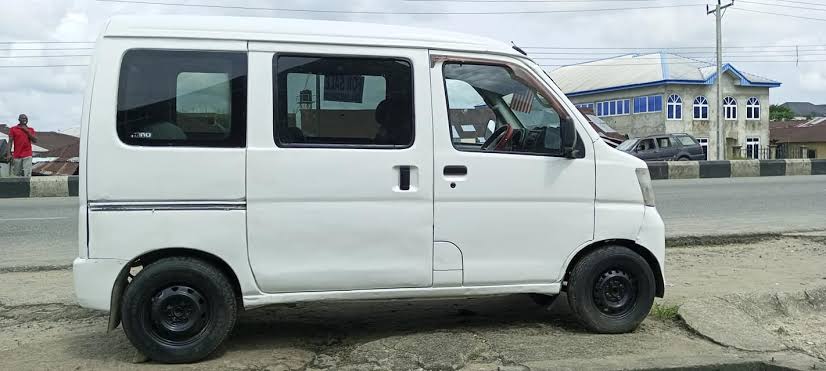
In a city like Port Harcourt, the keke bus has become part of daily life. It is fast, cheap, and always available. From Mile 1 to Rumuokoro, from Borokiri to Choba, these vehicles move thousands of people every day.
However, beneath that convenience, a dangerous trend is growing as the simple means of transport is now, in some cases, turning into a moving trap.
Residents are daily speaking up about the “one chance” incidents involving keke buses. The modus oparandi is, someone boards a keke on a quiet road. It might look normal. The driver would seem calm with one or two passengers already seated. Until suddenly, the route changes.
The driver would stop listening and even the people who you would have thought were passengers, would suddenly become aggressive and just then would the victim know that they’re also in on it. Phones and ATM cards are demanded for and oftentimes, victims are threatened, beaten, and in some cases, abandoned in isolated areas. Others are not so lucky to return.
The real danger is how ordinary it all looks at the beginning. There is no signboard that says “danger.” No warning sound. Just a regular keke ride that quickly turns into something else.
One major mistake many people make is entering keke buses from random roadside points. It could seem faster but that small decision can be costly.
Major loading points or loading park, exist for a reason. These places have multiple drivers, union presence, and other passengers. Even if something goes wrong, there are witnesses. There is some level of control.
Also see: Ogoni Youth President Calls for Calm After Alleged NDDC Assault
Then there is the issue of observation. Many people enter keke buses without even looking at the faces of those inside. No eye contact. No quick scan. No instinct check.
There are small things people should start observing. Does anyone avoid eye contact completely? Is there an unusual silence inside? Are the passengers acting too coordinated or too watchful? Is the driver nudging you to enter quickly?
People must begin to treat every ride with caution, not fear, but awareness. The goal is not to stop using keke buses, because they are still a major part of movement in the city. The goal is to use them wisely.
Always board from busy parks when possible. Avoid entering a keke buses where you are the only passenger. Be careful with drivers who insist they are going your exact route without picking others. Take a second to observe before you sit.
Most importantly, trust your instinct. If something feels off, it probably is. Too many people have shared painful experiences. Some came back shaken. Some came back injured. And sadly, some never made it back at all.
