


The Nigerian downstream petroleum sector has been hit by a fresh wave of price volatility as retail petrol prices surged to ₦1,332 per litre across major urban centers.
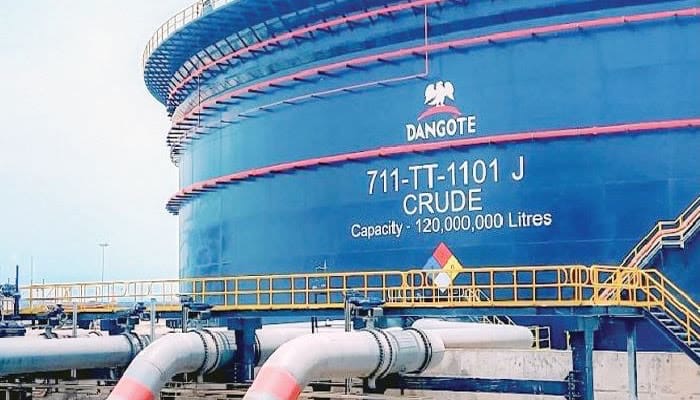
This latest spike, which became visible at pumps on Sunday, March 22, 2026, follows a rapid succession of price adjustments by the Dangote Petroleum Refinery.
Domestic marketers, including MRS Oil Nigeria Plc, have already adjusted their templates to reflect the new ex-depot realities, signaling a challenging week ahead for Nigerian commuters and businesses.
The adjustment marks the fifth time in March alone that the 650,000-barrel-per-day refinery has reviewed its pricing. Starting the month at approximately ₦774 per litre, the gantry price has climbed steadily through ₦874, ₦1,050, ₦1,175, and ₦1,245, before settling at the current base that has pushed retail rates above the ₦1,300 mark.
Also Read: http://Fubara Reveals Covert Strategy to Avert Herders -Farmers Clashes
Official correspondence from the refinery instructed marketers to disregard all previous templates, citing “prevailing global market dynamics.” Specifically, the ongoing Middle East crisis has pushed Brent crude benchmarks above $110 per barrel, significantly increasing the cost of feedstock for local refining operations.
The ripple effects are already being felt in the logistics and transport sectors. MRS Oil Nigeria Plc has communicated a new delivery price of ₦1,290 and a self-collection rate of ₦1,282 per litre to its dealers.
Consequently, transport operators in cities like Port Harcourt, Lagos and Abuja have warned of imminent hikes in fares and freight charges. “We are seeing a cumulative surge of over 60% in less than three weeks,” an energy analyst noted. “This level of volatility, despite having local refining capacity, underscores how deeply tied our domestic economy remains to international geopolitical shocks.”
Beyond petrol, the price of Automotive Gas Oil (diesel) has also reached a staggering ₦1,750 per litre at the gantry. While some stakeholders are calling on the Federal Government to intervene with “Naira-for-Crude” support mechanisms to dampen these shocks, others argue that a fully deregulated market must reflect true costs to remain sustainable.
As of Sunday morning, filling stations have begun updating their LED boards, and with international crude prices showing no signs of receding, the ₦1,332 benchmark may soon become the new floor for energy costs in Nigeria.
