


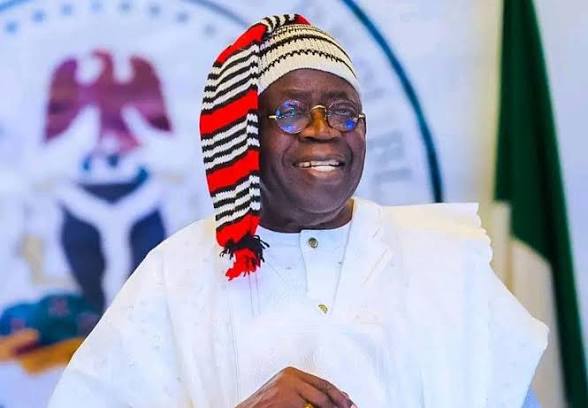
In a recent directive that’s stirring debate across Nigeria’s newsrooms and political circles, President Bola Tinubu urged media organisations to broaden their focus beyond the federal government and hold state and local governments equally accountable.
The appeal comes as part of a growing push for transparency and effective governance at all levels, and it’s forcing journalists, civil society, and ordinary citizens to rethink how public office is scrutinised in Nigeria.
For decades, federal institutions and national politics have dominated headlines from Abuja to the South South. Presidents, ministers, and national policies often attract the bulk of media attention, partly because these offices wield significant power and funds.
Governors and local council leaders control budgets and programmes that directly affect education, health care, road infrastructure, and security in communities. Despite this, they have often flown under the media radar, especially in regions where local reporting is weak or under‑resourced.
By encouraging journalists to expand their coverage, the presidency is signalling that accountability should not stop at the federal level but must extend into the nooks and crannies of governance where everyday Nigerians most feel the impact of public decisions.
Critics of the federal government’s approach, however, are cautious. Some see the appeal as strategically timed, given rising public discontent over fuel prices, inflation, and security challenges. “
Also see: Suspected Gunmen Shoot Timber Truck Driver Dead in Ahoada East
Journalists also face practical hurdles. Reporting on state and local government affairs can be resource‑intensive and sometimes dangerous, particularly in regions with political volatility or where state officials are hostile to critical coverage. Local reporters often lack funding, training, and legal support to pursue investigative stories that could expose corruption or poor service delivery.
Still, many in the press welcome the presidential nudge as an impetus to strengthen grassroots reporting. Newsrooms across Nigeria are now considering more systematic coverage of state budgets, project implementation, and public procurement.
For civil society groups, this shift presents an opportunity to engage communities through data, dialogue, and demand for better public services.
For citizens, the impact could be profound. Better media focus on state and local governments can help voters understand how their money is being spent, why some roads remain unpaved, why schools struggle for facilities, or why waste management in their towns remains inconsistent.
