


Port Harcourt has built a reputation across Nigeria for one thing many visitors quickly notice — its food. While the city is known for oil, business, it is also becoming known for a strong food culture that reflects the rich traditions of Rivers State.
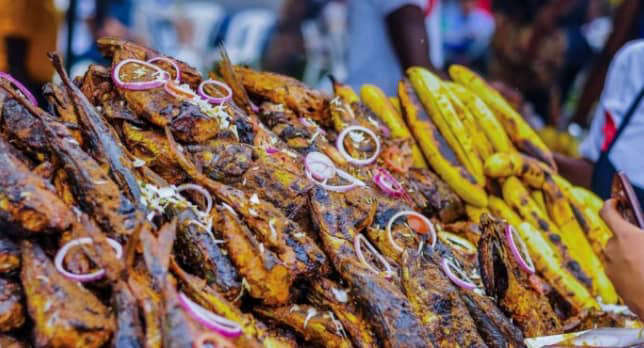
For many Nigerians who visit the city for the first time, the experience often begins with the most famous of them all, Bole and Fish. The meal is simple but unforgettable. Roasted plantain served with grilled fish and a spicy palm-oil pepper sauce.
Although roasted plantain exists in many parts of Nigeria, Port Harcourt has made the dish its own. In many western parts of the country, bole is often eaten with groundnuts as a quick snack. But in Rivers State, people believe the real version must come with fish and pepper sauce. The difference has created playful debates across social media, with many Rivers people insisting that plantain and groundnuts alone feels incomplete.
What makes the Port Harcourt version stand out is the combination of flavours. The sweetness of the roasted plantain mixes with the heat of the pepper sauce and the smoky taste of grilled fish. It turns what could have been a snack into a meal.
Today, the dish is so strongly connected to the city that it is celebrated every year at the Bole Festival, a food event that attracts thousands of people who come to celebrate Port Harcourt’s street food culture.
Another food that represents the identity of Rivers State is Onunu. This traditional meal is made by pounding boiled yam and ripe plantain together and mixing it with palm oil to create a smooth orange mixture. It is usually served with spicy fish pepper soup, making it both filling and flavorful.
There is also Fisherman Soup, often called Rivers native soup. The dish is rich with seafood such as prawns, periwinkles, fish and crayfish. For many people outside Rivers State, this soup represents the deep coastal culture of the Niger Delta where fresh seafood plays a major role in everyday meals.
Then of course, no discussion of Port Harcourt food is complete without mentioning Pepper Soup. Across Nigeria, the city is known for its spicy version of this broth. Whether it is made with catfish, goat meat or cow tail, pepper soup in Port Harcourt is almost a lifestyle. It is commonly eaten at night in open bars and relaxation spots where people gather to eat, drink and socialize.
Also see: Is APC Truly Nigeria’s Nightmare?
What is interesting is how these foods are beginning to travel beyond the city. Nigerians from other states who visit Port Harcourt often talk about trying bole and fish for the first time and discovering that it tastes very different from what they expected. Some even admit that they once preferred the groundnut version of bole until they tasted the Rivers style.
Food bloggers, social media creators and travellers have also started highlighting these dishes online, helping introduce more people to the food culture of the Garden City.
In many ways, Port Harcourt’s food tells the story of the region itself. It reflects the riverine environment, the love for seafood, the bold use of pepper and palm oil, and the creativity of street vendors who turn simple ingredients into memorable meals.
Across Nigeria today, when people talk about cities with strong food identities, Port Harcourt is earning its place on that list. And for many visitors, all it takes is one plate of bole and fish to understand why
