


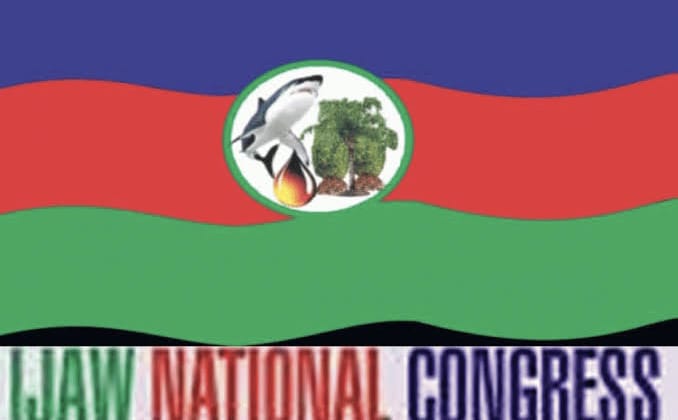
In the Niger Delta, leadership is never just leadership. It is influence, identity, and power all rolled into one. That is why the sudden halt of the election of the Ijaw National Congress (INC) has quickly turned from a routine political development into a full-blown conversation across the region.
A High Court sitting in Port Harcourt recently ordered that the planned national election of the organization should not go ahead after a presidential aspirant claimed he had been unfairly excluded from the race. The court granted an interim injunction stopping the election scheduled for March 7 while the dispute is addressed internally.
At first glance, it looks like just another legal dispute. But beneath the courtroom paperwork lies a bigger story about power, transparency, and the fragile politics of representation in the Niger Delta.
The Ijaw National Congress is not just any cultural body. For decades it has served as one of the most influential voices of the Ijaw people, representing communities across Rivers State, Bayelsa State, and Delta State. When leadership battles erupt within such a powerful organization, they rarely stay internal. They ripple outward, stirring debate across the entire region.
What makes the current situation particularly troubling is the allegation that a candidate who had reportedly purchased nomination forms and submitted all required documents was suddenly screened out of the race. According to court filings, the aspirant feared the election would go ahead without his name appearing on the ballot, forcing him to seek legal intervention before the vote took place.
Also see: Nothing Will Stop ADC From Taking Over In 2027 — Amaechi
For many, the issue goes beyond the fate of one candidate. It raises a deeper question: if an organization that represents millions cannot manage its own electoral process transparently, what message does that send to the communities it claims to lead?
Leadership disputes are not new in the Niger Delta. From political parties to community associations, internal power struggles often mirror the larger tensions that shape the region’s politics. But every time such disputes end up in court, it chips away at public confidence.
The irony is that the Ijaw people have historically stood united when confronting issues that affect the region, from environmental concerns to political representation. The strength of that unity has always been one of the INC’s greatest assets. Moments like this, however, threaten to expose cracks within that foundation.
Still, crises sometimes create opportunities for reflection. The court has directed that the matter first be resolved through the organization’s internal dispute mechanisms within a week before further hearings proceed.
That window could be more than just a legal formality. It could be a chance for the organization to demonstrate that it can settle disputes fairly and uphold the democratic principles it advocates for.
Because at the end of the day, leadership in the Niger Delta is not just about who occupies a position. It is about credibility. And credibility is earned not by power struggles, but by the fairness of the process that produces leaders.
