


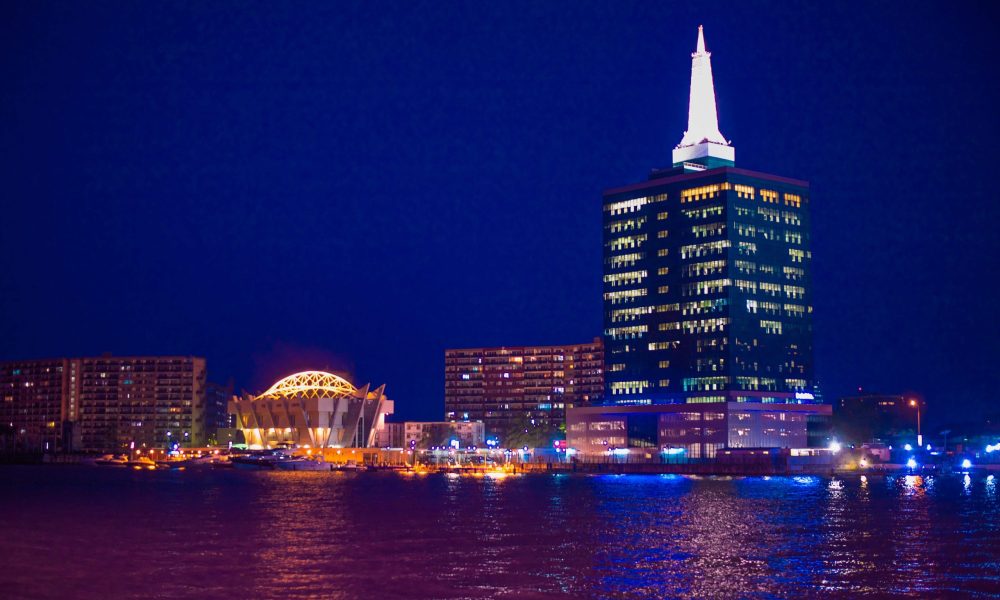
Nigeria’s “night economy” has officially transitioned from an informal social pastime into a multi-billion-naira financial powerhouse, with Rivers State emerging as a top-tier player in the sector. According to a groundbreaking report recently released by fintech giant Moniepoint Inc., Nigerians spent over ₦900 billion on nightlife in 2025 alone.
The study, titled “The Business of Community Nightlife in Nigeria,” highlights a massive shift toward digital payments and reveals that Rivers State currently hosts 2,362 nightlife venues, ranking third nationally behind only Lagos and the FCT.
The data shows that the ₦900 billion processed across Moniepoint’s network of 27,000+ clubs, bars, and lounges was driven by a staggering transaction rate of three payments per second. In Rivers State, the 2,362 registered venues, ranging from high-end lounges in GRA to neighborhood “joints” in Ogbunabali and Borokiri, have become critical hubs for both social gathering and economic survival.
Unlike the broader informal economy, where cash is still king, the nightlife sector has seen a “digital takeover,” with bank transfers and card payments now dominating due to security concerns and the ease of instant audio-visual payment confirmations.
Also Read: http://Abua/Odual Chairman Orders Immediate Work on Ayama-Okana Road
Beyond the drinks and music, the report underscores the sector’s vital role in employment. Moniepoint’s research found that local bars and lounges typically expand their workforce by 30% to 50% on peak nights, such as weekends and football match days.
Across Nigeria, a conservative estimate suggests that at least 54,000 people are engaged in nightlife labor every single night, including chefs, security personnel, DJs, and service staff. For Rivers State, this translates to thousands of households whose primary income is derived from the after-dark economy.
A fascinating insight from the report is that while high-end “Detty December” spots can generate as much as ₦360 million in daily revenue during festive peaks, the real “economic stabilizer” is the community-based bar.
In many Port Harcourt neighborhood venues, food and bottled water actually outperform beer and spirits early in the evening. This indicates that nightlife spots are increasingly serving as “informal public squares” where residents meet to discuss business and politics over a meal before the late-night party begins.
Tosin Eniolorunda, CEO of Moniepoint, noted in the report that these nighttifvcme operators are no longer just a peripheral to the national economy but are now a central part of its architecture.
