


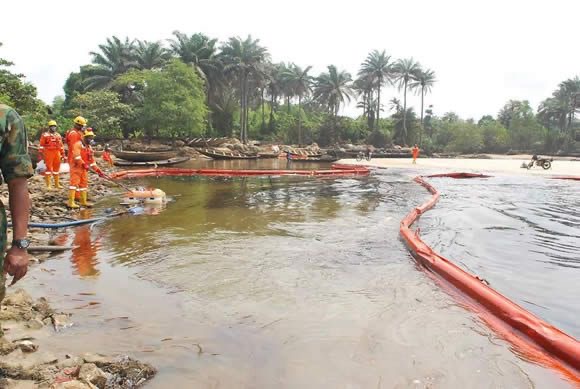
The World Health Organisation has commenced an extensive health assessment in Ogoniland, Rivers State, to examine illnesses potentially linked to prolonged exposure to hydrocarbon pollution.
The study follows recommendations made by the United Nations Environment Programme, which advised that a public health investigation should accompany ongoing environmental clean-up efforts in the oil-impacted region.
The research is being carried out by the International g Agency for Research on Cancer in partnership with the Hydrocarbon Pollution Remediation Project as part of efforts to implement the UNEP report on Ogoniland.
Lead Scientist at IARC, Ann Olysson, disclosed during a visit to traditional leaders in Gokana and Tai that the exercise would focus on evaluating the health impact of oil contamination on residents.
News: Rivers Integrates Mental Health into Primary Care to Support Stressed Residents
According to the Project Coordinator of UNEP and lead researcher of the 2009–2011 environmental study, Michael Cowing, the assessment will run for nearly three years. About 4,000 individuals from both heavily affected and less impacted communities will participate in the fieldwork.
The study will examine residents engaged in occupations such as farming, fishing, sand mining, and artisanal refining to determine varying levels of exposure to hydrocarbons.
Professor Iyenemi Kakulu of Rivers State University explained that participants would be scientifically selected, with voluntary consent required for the collection of personal data and biological samples, including blood and urine.
Traditional rulers in Tai and Gokana Kingdoms have pledged their support, assuring the research team of cooperation and adequate security to ensure smooth conduct of the study across Ogoniland communities.
