


At least 31 people have lost their lives following a fresh outbreak of Lassa fever in Nigeria, with more than 754 suspected cases recorded in 33 local government areas across nine states.
Figures released by the Nigeria Centre for Disease Control show that nine health workers were among those infected within the first five weeks of 2026, raising fresh concerns about safety in healthcare settings.
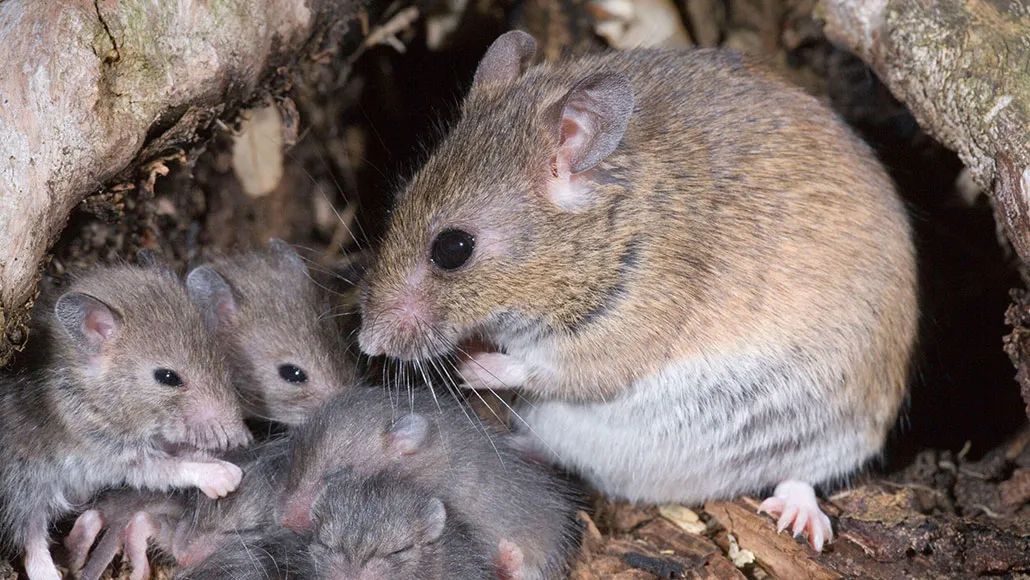
Lassa fever is a viral disease transmitted mainly through contact with food or household items contaminated by the urine or faeces of infected Mastomys rats, which are commonly found in parts of West Africa. Human-to-human transmission can also occur, especially in hospitals where infection prevention measures are inadequate.
Nigeria has continued to battle recurring outbreaks of the disease since the major surge recorded in 2016. Health stakeholders have expressed worries over limited funding and the strain on the country’s health system.
According to the NCDC, five states, Bauchi, Ondo, Taraba, Edo, and Plateau, account for the majority of confirmed cases, representing 92 per cent of infections so far this year. In comparison, four other states make up the remaining eight per cent.
The agency disclosed that 135 confirmed cases are currently receiving treatment, while at least 110 suspected cases are under contact tracing and monitoring.
In response, the NCDC said it has deployed a field team to Bauchi State, activated the National Lassa Fever Emergency Operations Centre, strengthened laboratory testing, and pushed for dedicated funding to support prevention and control efforts.
