


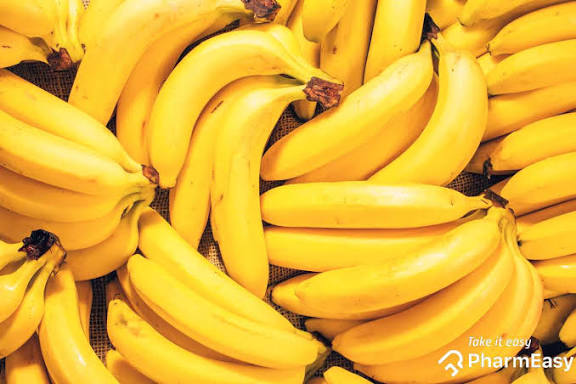
Across markets in Nigeria, brightly coloured bananas, mangoes, pawpaw and plantain often catch the eye. They look ripe, fresh and ready to eat. But behind that attractive appearance is a growing and dangerous practice many consumers are unaware of — the use of cabad to ripen fruits.
Cabad is the local name commonly used for calcium carbide, an industrial chemical that some fruit sellers use to force fruits to ripen quickly. The substance reacts with moisture and releases acetylene gas, which imitates ethylene, the natural hormone responsible for fruit ripening. Within hours, green fruits turn yellow, creating the illusion of freshness. However, this shortcut comes at a serious cost to human health.
Health experts warn that calcium carbide is not food-safe. It often contains toxic impurities such as arsenic and phosphorus, which can cause both immediate and long-term health problems.
Consumers who regularly eat fruits ripened with cabad may experience stomach pain, vomiting, diarrhea, headaches and dizziness. With prolonged exposure, the risks increase to include nerve damage, hormonal disruption and even cancer.
One of the most deceptive aspects of cabad-ripened fruits is that they ripen unevenly. The outside may appear fully ripe while the inside remains hard, tasteless or partially raw. These fruits also spoil quickly, reducing their nutritional value and shelf life.
Also see: Dangote Refinery Sets Global Record
The National Agency for Food and Drug Administration and Control (NAFDAC) has repeatedly warned against the use of calcium carbide for food ripening. According to the agency, calcium carbide is illegal for ripening fruits in Nigeria and poses a serious public health risk.
NAFDAC has stated that fruits should only be ripened naturally or with approved food-grade ethylene under regulated conditions. The agency has also cautioned traders that anyone caught using cabad risks sanctions, seizure of goods and possible prosecution.
NAFDAC further advises consumers to be vigilant when buying fruits. Signs that fruits may have been ripened with cabad include an unusually bright or uniform yellow colour, a strong chemical smell, rapid ripening within a day, and fruits that soften on the outside but remain green or hard inside.
Despite the dangers, the practice persists due to profit pressure, poor enforcement and lack of awareness. Many traders want quick turnover, while many consumers unknowingly prioritise appearance over safety.
Experts say the solution lies in stronger market surveillance, public education and consumer awareness. Shoppers are encouraged to buy fruits that are in season, avoid fruits that look unnaturally shiny, and wash and peel fruits thoroughly before consumption.
The issue of cabad-ripened fruits serves as a reminder that not everything that looks good is good for the body. Until stricter enforcement and better awareness become widespread, consumers must remain alert, because the cost of chemically rushed ripening may be far greater than it appears.
