

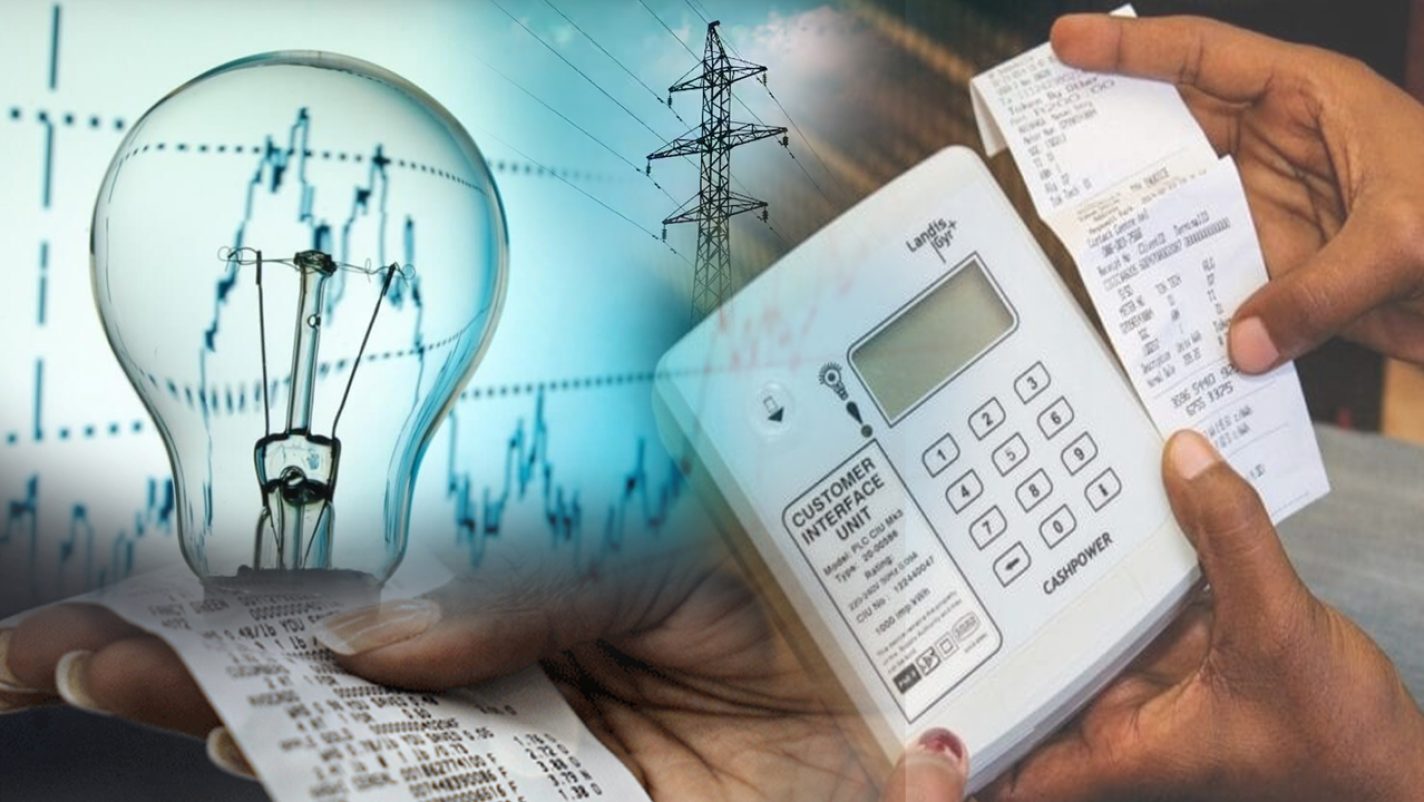
I’ve been thinking a lot about Nigeria’s energy challenges lately, and the Federal Government’s latest move on electricity subsidies feels like a step in the right direction. Starting in 2026, they’ll share the costs with states and local governments, which could bring more balance to how we handle power expenses. As an observer of our economic scene, this seems like a smart way to build a stronger system that works for the whole country.
The Presidency seems to want these subsidies out in the open, with everyone pitching in fairly. Tanimu Yakubu from the Budget Office explained it well: those gaps between tariffs and real costs add up to bills that need settling for things to run smoothly. When all levels of government join in, it creates motivation to focus on efficiency and help those who truly struggle with bills.
They’ll use the current laws in the power sector to make this sharing straightforward and binding. Tracking and funding will happen clearly, so problems like piled-up debts stay away from the market. If a state or local authority decides on affordability programs, everyone agrees on who pays what from the start. That kind of upfront discussion should lead to better teamwork and a power setup that actually provides steady electricity.
Looking beyond just subsidies, the 2026 budget rolls out this “single-train” idea, pulling all projects into one clear lineup. It sharpens how we pick and finish things, letting officials keep tabs on promises every step of the way. Yakubu called it a path to disciplined progress, and I agree it could tighten up governance by directing money to spots that make the biggest difference.
News: Fintech Wallets Overtake Traditional Banking in Nigeria
Then there’s the update to the Fiscal Responsibility rules, adding flexible guidelines and solid ways to stick to them. Agencies will pitch ideas that show how they align with these standards, their long-term effects, and the real benefits they’ll deliver. This careful review pushes for investments that spark genuine advancement.
Moving away from endless project rosters toward solid financing excites me most. Proposals need to prove they’re set to go, with timelines and funding plans in place. That means wrapping up key things like better infrastructure and services that people can count on daily. Putting emphasis on completing a few strong initiatives should create lasting change.
The financial management system ties it all together, acting as the core for honest budgeting. It links planning right through to getting things done, building trust along the way. Yakubu pointed out during the session that the Renewed Hope goals depend on everyone pulling together. With folks across Nigeria looking for real improvements, this budget sets us up to deliver them.
It remains to be seen, but given the N1.98 trillion spent on subsidies last year and the debts stacking up for power firms, spreading the load makes sense now more than ever. It lightens the federal burden while getting others involved in fixing ongoing headaches. In the end, these shifts might pave the way for a fairer, more effective energy landscape that fuels our nation’s future.
