


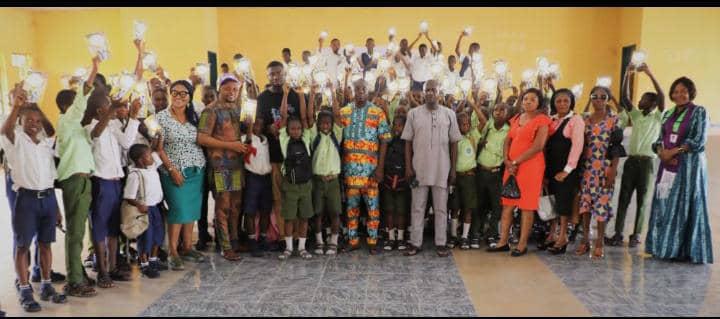
In a heartwarming display of community spirit and civic responsibility, several public schools in the Ahoada West Local Government Area of Rivers State are undergoing significant renovation and rehabilitation through a robust community-led initiative. This grassroots effort, spearheaded by local youth groups, traditional leaders, and parent-teacher associations, aims to restore dilapidated school structures and create a more conducive learning environment for students who have long endured challenging conditions. It exemplifies how collective action can drive positive change even in the face of
limited government resources.
The initiative focuses on addressing critical infrastructural deficiencies, including leaking roofs, broken windows, damaged desks and chairs, and inadequate sanitation facilities. Volunteers from
various communities have pooled resources, both financial and material, and dedicated their time and skills to carry out repairs and upgrades. Local artisans are contributing their expertise, while community members are donating materials and food to support the volunteers. This collaborative model fosters a strong sense of ownership and shared responsibility for the educational future oftheir children.
Mr. Godspower Okocha, coordinator of one of the youth groups involved, expressed pride in the community’s efforts during a visit to one of the renovated schools in Akinima. “We realized we couldn’t wait for everything to come from the government. Our children deserve better, and it’s our collective duty to provide it,” he stated. He highlighted
that the project goes beyond just physical repairs; it’s about instilling hope, demonstrating the power of unity, and encouraging students to value their education in an improved environment.
Read more: NAFDAC Warns Public Over Recall of Mivacron, Nimbex Injections
The impact of these renovations is already visible. Classrooms that were once uncomfortable and unsafe are now clean, well-lit, and equipped with functional furniture. The improved aesthetics and functionality are expected to boost student attendance, concentration, and overall academic performance. Teachers, who previously struggled
to teach in substandard conditions, now have a more dignified and inspiring space to deliver lessons. The presence of proper toilets and access to clean water also addresses critical health and hygiene concerns.
“It’s amazing to see what our community can achieve when we come together. Our schools were in terrible shape, and now they look so much better.” – Mrs. Joy Aluu
While the community efforts are highly commendable, the scale of needs across Ahoada West remains substantial, indicating the necessity for
sustained government intervention. Challenges include securing continuous funding for ongoing maintenance, ensuring the longevity of repairs, and expanding the initiative to reach every school in need.
There are calls for the state government to provide supplementary support, technical guidance, and incentives to communities that take such proactive steps, reinforcing the partnership model.
“I hope the government notices this effort and provides support. These
volunteers are doing so much, but they can’t do it all alone.” – Mama Clara Okoro
Parents and community elders have lauded the initiative, expressing profound gratitude for the volunteers’ dedication. “Seeing our young people actively working to fix our schools gives me so much joy. This is how a community should function,” said Chief Sunday Egbe, a traditional ruler. The project serves as a powerful reminder that
education is a collective responsibility and that communities can play a vital role in complementing government efforts to uplift educational
standards. It offers a blueprint for sustainable development through local empowerment and solidarity.
