


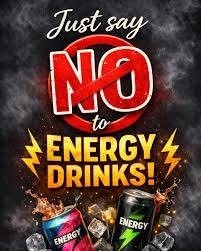
A consultant cardiologist at the Federal Teaching Hospital, Gombe, has cautioned Nigerian youths against the growing habit of consuming energy drinks, describing the trend as a serious threat to cardiovascular health.
Findings by the News Agency of Nigeria (NAN) indicate a noticeable rise in the intake of energy beverages among young people across Gombe metropolis and surrounding areas.
Many youths reportedly rely on the drinks to cope with long working hours, while others take them in the belief that they enhance sexual performance. Some consumers also combine energy drinks with alcohol in a bid to intensify their effects.
Speaking with NAN on Friday, the cardiologist warned that the frequent intake of stimulant-laden beverages could have severe and long-term consequences on the heart, particularly among young people who may not immediately notice the damage being done.
Read Also: First Lady Urges Stronger Fight Against HIV
He explained that the increasing prevalence of cardiovascular diseases in developing countries made it essential for youths to avoid habits that could further endanger their health. Excessive consumption of energy drinks, he noted, has been linked to conditions such as hypertension, heart disease, diabetes and an increased risk of stroke.
According to him, the high caffeine and sugar content in energy drinks, alongside other stimulants, can interfere with normal heart function, alter heart rhythm and cause blood vessels to become less flexible. These effects, he added, place significant strain on the heart and may result in dangerous complications over time.
The cardiologist stressed that the risks are even higher for individuals with pre-existing heart conditions, as the combination of caffeine and added stimulants could overwhelm the cardiovascular system. In severe cases, he warned, excessive intake could lead to cardiac arrest or sudden death if medical attention is not promptly sought.
He also dispelled the notion that energy drinks improve intelligence or productivity, noting that excessive use may negatively affect mental health. Issues such as anxiety, depression, heightened stress levels and sleep disturbances have been associated with high consumption of the beverages.
The cardiologist advised Nigerians, particularly young people, to avoid energy drinks, alcohol and sugary beverages. He also encouraged moderation in salt intake, reduced consumption of processed foods and the adoption of healthy eating habits and regular exercise as practical steps towards maintaining good heart health.
