

Nigeria’s downstream petroleum sector witnessed a major shake-up in December 2025 as intense price competition triggered sharp reductions in petrol prices, signaling a new phase in the country’s deregulated fuel market. The development, reflects growing rivalry between local refining capacity and traditional import-based supply.
The price war was largely sparked by the Dangote Refinery, which reduced its ex-depot price of Premium Motor Spirit (PMS) to about ₦699 per liter. Following the cut, retail prices at partner outlets such as MRS dropped to as low as ₦739 per liter, setting a new benchmark for the market. The aggressive pricing forced other players to respond or risk losing customers.
NNPC Retail, the downstream arm of the Nigerian National Petroleum Company Limited, subsequently slashed its pump prices to between ₦825 and ₦840 per liter, down from levels that previously exceeded ₦1,000 per litre.
The reductions have significantly altered consumer behavior, with motorists increasingly avoiding higher-priced stations in favor of cheaper alternatives. Long queues that once defined NNPC outlets have largely disappeared, underscoring the impact of competition.
Also Read: http://Fake Condoms in Nigeria Risk Pregnancy, Others, NAFDAC Warns
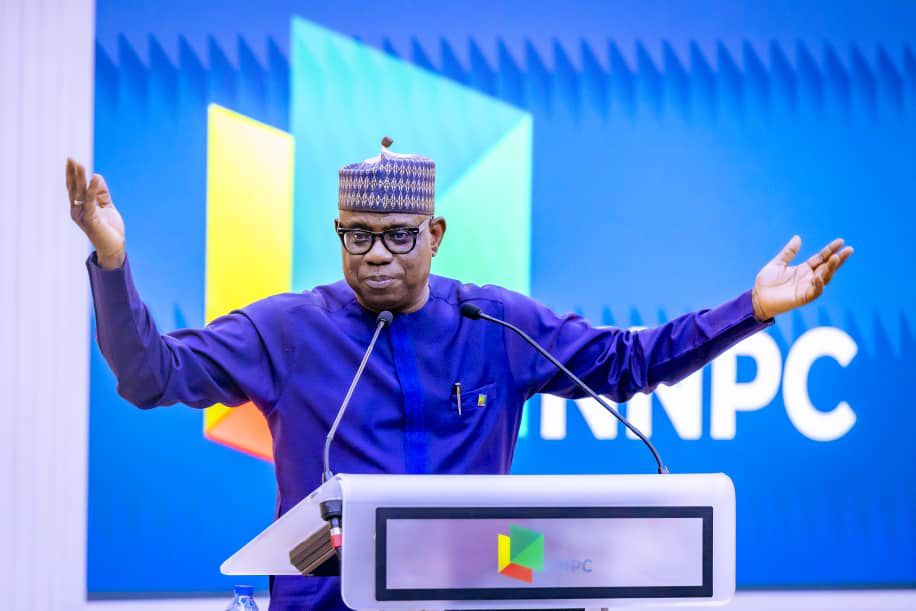
Commenting on the development, the Group Chief Executive Officer of NNPC Ltd, Mr. Bashir Bayo Ojulari, described the price war as evidence of a healthy, market-driven system. Ojulari, who was appointed by President Bola Tinubu on April 2, 2025, emphasized that NNPC now operates strictly as a commercial entity, not a regulator. According to him, competition ultimately benefits consumers by driving efficiency and lowering prices.
Ojulari, a former Shell executive and ex-Managing Director of Shell Nigeria Exploration and Production Company, also highlighted recent production gains under his leadership. Nigeria’s crude oil output reportedly rose to over 1.7 million barrels per day in late 2025, compared with about 1.5 million barrels per day a year earlier. He attributed the increase to internal reforms aimed at improving profitability and positioning NNPC for a future initial public offering.
While some fuel marketers have recorded losses after purchasing stock at higher prices, industry analysts say the ongoing adjustments mark a turning point, where fuel prices are determined by competition rather than subsidies or government controls.
