


The United States has partially halted the issuance of both immigrant and non-immigrant visas to Nigeria and 14 additional nations, pointing to concerns regarding radical Islamic terrorist organizations like Boko Haram and the Islamic State operating in various regions of the West African nation.
The specific visa categories impacted include B-1, B-2, B-1/B-2, F, M, and J Visas.
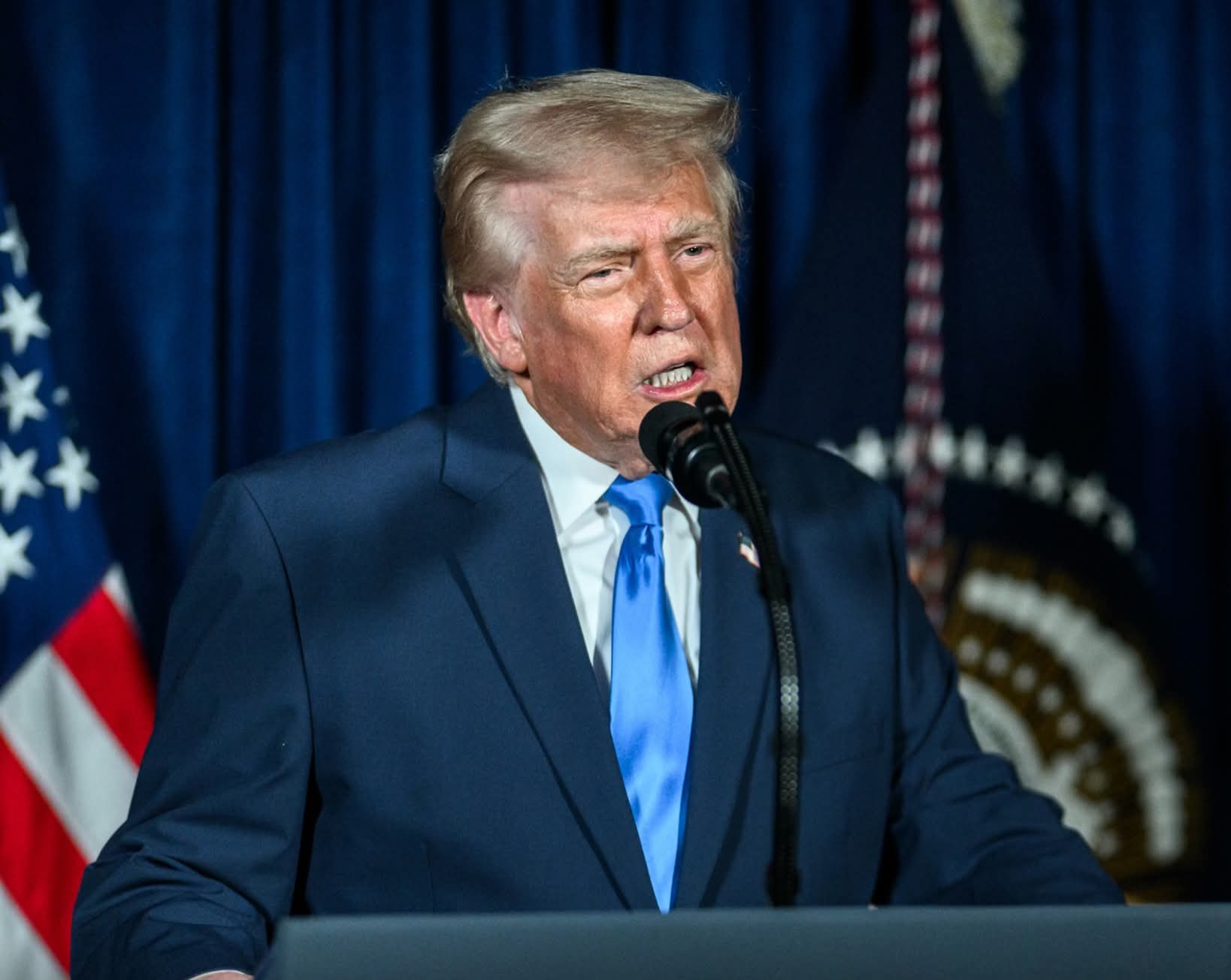
On Monday, President Donald J. Trump enacted a proclamation that extends and reinforces entry restrictions for nationals from countries that have clear, ongoing, and significant shortcomings in their screening, vetting, and information-sharing processes to safeguard the nation from threats to national security and public safety.
The United States referenced the Overstay Report, highlighting that Nigeria had a B-1/B-2 visa overstay rate of 5.56 percent and an overstay rate of 11.90 percent for F, M, and J visas.
While this proclamation maintains the complete restrictions and entry limitations for nationals from the original 12 high-risk countries identified in Proclamation 10949—namely Afghanistan, Burma, Chad, Republic of the Congo, Equatorial Guinea, Eritrea, Haiti, Iran, Libya, Somalia, Sudan, and Yemen—it also includes full restrictions and entry limitations on 5 more countries based on recent assessments: Burkina Faso, Mali, Niger, South Sudan, and Syria.
Also Read: FG Tax Reforms Target Roadblock Extortion Nationwide
On October 31, President Trump reapplied the designation of Nigeria as a “Country of Particular Concern (CPC)” due to the persecution of Christians by violent Islamic factions.
In a post on Truth Social, Trump suggested that the U.S. would promptly cease all aid and assistance to Nigeria and might potentially launch military action in the country, stating that this intervention would be “fast, vicious, and sweet, just like the terrorist thugs attack our cherished Christians.”
During his first term, President Trump established travel restrictions that limited entry from various nations lacking adequate vetting processes or posing marked security threats.
The Supreme Court upheld the travel restrictions enacted by the previous Administration, stating that it “fits squarely within the scope of Presidential authority” and noting that it is “clearly based on legitimate purposes”—specifically, “preventing the entry of nationals who cannot be properly vetted and encouraging other countries to enhance their procedures.”
In recent weeks, Trump has employed increasingly charged language when criticizing immigrants from Africa.
At a rally last week, he remarked that the United States should only welcome individuals from “shithole countries” and should instead focus on immigrants from Norway and Sweden.
