


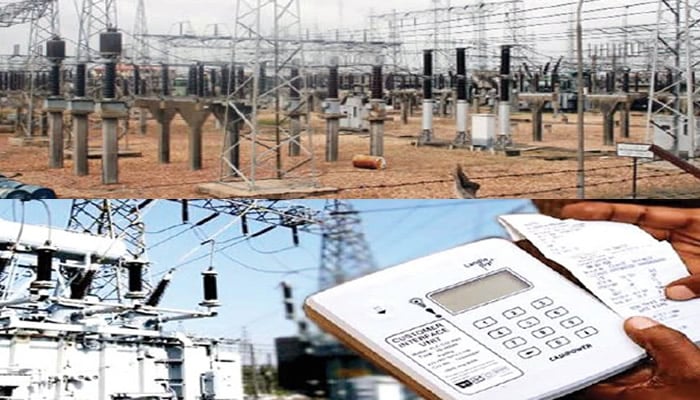
Nigeria’s recent electricity tariff increase has reignited debate over the country’s power sector. For the government, the hike is part of a long-overdue effort to make the electricity industry financially sustainable.
Officials argue that subsidies have long masked inefficiencies, discouraged investment, and left distribution companies struggling to operate. In theory, raising tariffs should reflect the true cost of production, encourage private sector participation, and ultimately lead to better service delivery.
From a policy standpoint, this reasoning is not without merit. The government inherited a power sector burdened with decades of underinvestment, ageing infrastructure, and systemic inefficiencies. Subsidies that were once intended to protect consumers have instead entrenched dependency, distorted pricing, and delayed meaningful reform.
Without adjustments to tariffs, the sector risks remaining a drain on public finances, leaving little room for improvements in generation, transmission, or maintenance.
However, the public perspective tells a different story. Millions of Nigerians already struggle with rising food prices, fuel costs, and unemployment. Asking households to pay more for a service that remains largely unreliable naturally triggers frustration and skepticism.
Also Read: http://Onne Welcomes China Mega-Ship
For many, higher tariffs feel punitive, particularly when electricity supply is inconsistent, billing is often estimated, and outages remain common.
The challenge lies in finding a middle ground, one that ensures the sector’s sustainability while protecting consumers from undue hardship. This means the government must pair tariff adjustments with concrete improvements in supply.
Metering, investment in grid infrastructure, off-grid solutions, and rural electrification should be accelerated. Distribution companies must be held accountable, and transparency in how funds are used is essential.
Moreover, targeted support for low-income households could mitigate the impact of tariff hikes. Social safety nets or subsidies for the most vulnerable can help ensure that reform does not become regressive, hitting those least able to pay.
Nigeria’s electricity sector cannot thrive on subsidies alone, but neither can reforms ignore the realities of everyday Nigerians. Tariff increases must be part of a broader, people-centered strategy, one that balances financial sustainability with social responsibility. Only then can the country hope to achieve the twin goals of a functional power sector and a public that trusts and supports the reforms.
