


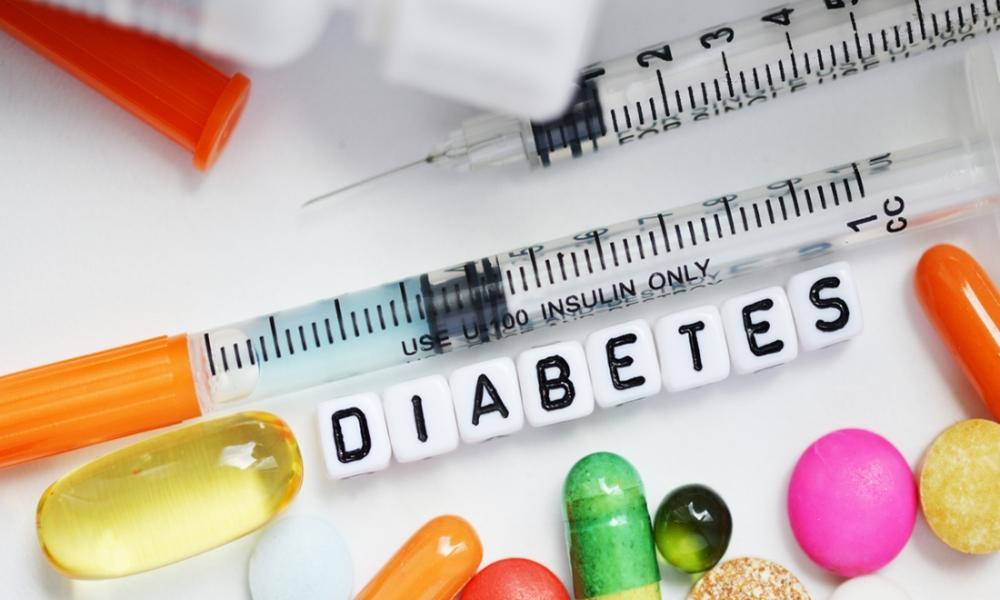
Nigeria is facing a growing public health and development crisis as non-communicable diseases (NCDs), particularly type 2 diabetes, continue to rise sharply due to unhealthy diets and increased consumption of ultra-processed foods.
According to the International Diabetes Federation (IDF), diabetes prevalence among adults aged 20–79 reached 3% in 2024 about three million Nigerians, giving the country the highest number of adults living with diabetes in Africa.
However, recent studies suggest the true burden may be much higher, with pooled prevalence estimates between 6% and 7%, indicating that as many as eight million adults may be affected.
Read also: NFF Set To Meet Chelle To Reorganized 2025 AFCON Squad
Nearly half of Nigerians with diabetes remain undiagnosed, fuelling complications such as heart disease, kidney failure, and premature death, the World Health Organisation reports. NCDs now account for almost 600 deaths per 100,000 people in Nigeria, overtaking infectious diseases as the leading cause of mortality.
Poor dietary habits, beginning in early childhood, are contributing significantly to the trend. The 2024 Nigeria Demographic and Health Survey (NDHS) revealed that 41% of children aged 6–23 months consume sugary drinks, while only 12% meet minimum dietary diversity recommendations. The 2024 Global Food Policy Report further showed that nearly 80% of Nigerians could not afford a healthy diet in 2022.
Experts say the economic implications are severe, citing trillions lost globally to healthcare costs and reduced productivity linked to diet-related NCDs.
Public health advocates argue that government intervention is urgently needed to reshape Nigeria’s food environment. Measures recommended include stronger taxes on sugar-sweetened beverages (SSBs), subsidies for fresh foods, stricter regulation of unhealthy food marketing particularly to children and the introduction of mandatory front-of-pack labels to simplify nutrition information.
They also warn that Nigeria is unlikely to meet key targets under the National Policy on Food and Nutrition (2016–2025), which sought a 25% reduction in diet-related NCDs by 2025. They call for a revised, ambitious policy framework for the next decade.
“As World Diabetes Day 2025 approaches, Nigeria must ensure that the convenience of modern foods does not come at the cost of the nation’s health,” said Opeyemi Ibitoye, Programme Officer on Sugar-Sweetened Beverages Tax at Corporate Accountability and Public Participation Africa (CAPPA).
